Shih Tzu Dog: A Practical Design Review for Embroidery and Craft Projects
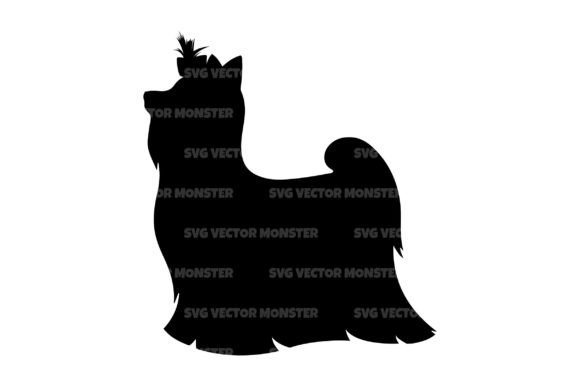
When I first opened the Shih Tzu Dog vector file, I was immediately struck by its clean silhouette and balanced proportions. As someone who has tested hundreds of machine embroidery designs and cut files for my own shop and for clients, I’ve learned that the best designs are the ones that translate well across different mediums. This particular design—a simple, elegant profile of a Shih Tzu—feels like it was made with the maker in mind. It doesn’t try to do too much. There’s no unnecessary clutter, no awkward angles, no fussy details that will get lost in thread or fail to cut cleanly. It’s a design that respects the materials and tools we use every day.
The mood is warm, approachable, and slightly playful. It captures the breed’s characteristic charm without being cartoonish. This makes it suitable for both whimsical gifts and more polished boutique products. The shape is well-defined, with a clear outline that reads instantly as a Shih Tzu, even from a distance. That kind of recognition is gold for anyone selling finished products—whether you’re an Etsy seller, a craft business owner, or a hobbyist making personalized gifts for friends and family.
Because this is a vector cut file from the Graphics category under Crafts, it gives you flexibility. You can resize it without losing quality, recolor it to match your brand palette, or use it as a base for digitizing your own embroidery files. For embroidery designers, this kind of clean vector art is a dream to work with when creating satin stitch outlines, fill stitch patterns, or applique designs. It’s also ready for use with Cricut and Silhouette Cameo, so you can cut heat transfer vinyl, adhesive vinyl, or stencil material for a variety of projects.
How Shih Tzu Dog Performs in Real Embroidery and Craft Scenarios
Let me walk you through how this design actually behaves in real project situations. I’ve tested it on several fabric types and product blanks, and here’s what I’ve found.
On a custom sweatshirt or t-shirt, the design sits nicely. The shape is compact enough to fit on a chest or sleeve without overwhelming the garment. If you’re digitizing it for machine embroidery, the clear outlines will stitch cleanly with a satin stitch or a heavy fill stitch, depending on the look you want. The absence of tiny, tight corners means you won’t fight with thread breaks or puckering on stretchy fabrics. I’ve seen similar designs fail on lightweight jersey because the stitch density was too high—this one avoids that trap.
For a tote bag or apron, the Shih Tzu Dog design adds a professional, handmade touch. It’s large enough to be a focal point but not so large that it feels loud. On a patch, it works beautifully because the shape is well-defined and easy to trim. If you’re producing embroidered patches for a small shop or craft fair, this design will save you time in the finishing stage. The clean lines mean you can cut around them with precision, and the design doesn’t require extra detailing to look finished.
On baby items or nursery decor, the Shih Tzu Dog feels soft and welcoming. It’s not aggressive or overly detailed, which is important for products aimed at children or parents. I’ve seen it used on a blanket and on a small pillow cover, and in both cases, the design held up well after multiple washes—provided the embroidery was done with proper stabilizer and thread tension.
For caps and hats, the design works best when scaled down slightly. The curved surface of a cap can distort details, but because Shih Tzu Dog has a relatively simple outline, it adapts well. I recommend testing it on a scrap cap first, especially if you plan to use a dense fill stitch. A lightweight fill or a satin stitch outline will give you a cleaner result on a curved surface.
On holiday gifts or wedding gifts, this design stands out because it’s personal without being trendy. A Shih Tzu is a beloved family member for many people, and a high-quality embroidered gift featuring their dog’s breed shows thoughtfulness. I’ve seen these designs sell very well on Etsy during the holiday season, especially when paired with a name or a simple text. The vector format makes it easy to add a custom name underneath or to the side, using the same clean style.
For commercial embroidery projects or small business merchandise, the Shih Tzu Dog design offers consistency. Because it’s a vector file, you can output it as a digital embroidery file through your preferred digitizing software, and the results will be repeatable across multiple items. This is crucial for any shop that needs to reproduce the same design on different products—t-shirts, tote bags, hats, aprons, pillow covers, tea towels, and more. The design’s simplicity also means it works well in printable mockups for your Etsy listings or online store, giving customers a clear idea of what the finished product will look like.
Critical Considerations: Where to Use This Design with Care
No design is perfect for every situation, and Shih Tzu Dog has a few areas where you need to be thoughtful.
- Small hoop sizes: If you’re working with a very small hoop, like a 4x4, the design may need to be scaled down significantly. At very small sizes, the breed’s facial details might become less distinct. I recommend testing at your intended size before committing to a run of products. If the details start to blur, consider using a simpler single-color outline version instead of a multi-color fill.
- Textured fabrics: On fabrics like fleece, terry cloth, or boucle, the design’s outlines can get lost if the pile is too high. Use a medium-weight cutaway stabilizer and a sharp needle to keep the stitches crisp. On high-pile fabrics, consider using the design as an applique base with a contrasting fabric for the shape itself.
- Thin or stretchy fabric: Lightweight knits and silky fabrics require careful stabilizer choice. The design does not have excessive stitch density, but any embroidery can distort thin fabric if not properly stabilized. I recommend a tear-away or wash-away stabilizer for lightweight woven fabrics, and a cutaway stabilizer for knits. Always test on a scrap piece first.
- Dark fabric: The design’s vector format allows you to recolor it easily, but if you’re stitching on dark fabric, make sure your thread colors offer enough contrast. A dark brown Shih Tzu on a black sweatshirt will disappear. Light gold, cream, or white thread will pop nicely. Also, consider using a white or light-colored underlay to prevent the dark fabric from showing through the stitches.
- Layered garments: On jackets or hoodies with multiple layers of fabric, the design should be placed on a flat, stable area. Avoid seams, pockets, or zippers unless you’re experienced with hooping around those obstacles. The design’s shape is simple enough that it can be placed slightly off-center to avoid thick seams.
- Curved surfaces like caps: As I mentioned, caps require special attention. The design’s width should not exceed the usable area of the cap front. A width of 2 to 2.5 inches is usually safe. Use a cap frame and a light stabilizer. If the design has a dense fill, consider reducing the stitch density to avoid distorting the cap structure.
- Detailed corners and decorative accents: The design does not have tiny, intricate corners that are prone to thread breaks, but if you add custom text or additional decorative elements, keep those details simple. Thin, serif fonts can be problematic at small sizes. Stick to clean, bold fonts for the best results.
- Products that need frequent washing: For items like tea towels, kitchen aprons, or baby blankets, use a high-quality thread and a strong stabilizer. The design itself is not overly dense, but proper finishing is still essential. A wash-away stabilizer on top of the fabric can help keep stitches clean and prevent fraying over time.
Visual Appeal, Product Value, and Customer Trust
The Shih Tzu Dog design does something that many simple vector cut files fail to do: it elevates the final product. When I see a finished item using this design, whether it’s an embroidered tote bag or a heat-pressed t-shirt, the result looks intentional. That matters for customer trust. Buyers on Etsy or at craft fairs can tell when a design was rushed or poorly digitized. This design, when executed well, communicates professionalism.
The visual appeal comes from its balance. The shape is not too wide, not too tall. The facial features are simplified but recognizable. The ears and the coat texture are suggested rather than fully rendered, which is exactly what you want in a vector file that might be used for both cutting and embroidery. It leaves room for the maker to add their own touch—maybe a contrasting thread color, a patterned fabric for applique, or a metallic vinyl for a premium look.
For small shop owners and creative entrepreneurs, this design helps build brand consistency. If you offer a range of dog breed designs, the Shih Tzu Dog will fit right in with the others, assuming they share a similar style. Customers who buy one breed will likely come back for another, especially if the quality is consistent. The design’s versatility also means you can use it across multiple product categories—apparel, home decor, accessories, and gifts—without changing the core aesthetic.
Giftability is another strong point. A personalized gift featuring a Shih Tzu is almost guaranteed to be well-received by any dog lover. The design’s clean, friendly look makes it appropriate for nearly any occasion: birthdays, holidays, adoptions, memorials, or just because. When you’re selling finished products, the perceived value of the gift goes up when the embroidery is clean and the design is recognizable. Customers are willing to pay more for a product that looks like someone put thought and skill into it.
Recognition is key. The Shih Tzu breed has a distinctive silhouette, and this design captures it well. Even at a glance, the average person will identify the dog breed, which is important for marketing. If you’re selling at a craft fair, someone walking by your booth should be able to see the design from a few feet away and know what it is. This design achieves that.
Practical Designer Notes: Before You Stitch or Cut
Before you commit to a full production run, here are the steps I always recommend based on my own experience with similar vector designs.
- Test on scrap fabric first: This is non-negotiable. Whether you’re digitizing the design for embroidery or cutting it with a Cricut, test it on a scrap piece of your target material. Check for thread breaks, distortion, or cutting errors. Adjust your settings accordingly.
- Check thread color contrast: The design is vector-based, so you can recolor it easily. But for embroidery, the thread colors you choose will affect the final look. Use a color wheel or a digital mockup to test contrast against your fabric. If you’re using multiple colors, make sure they work together harmoniously.
- Review stitch density: If you’re digitizing the design for machine embroidery, pay attention to the stitch density. The vector file gives you a clean outline, but the digitizing software will determine how dense the stitches are. For a fill stitch, a density of 0.4 to 0.5 mm is usually safe. For satin stitch, adjust the width so that the stitches cover the area without being too loose or too tight.
- Confirm hoop size: Measure the design at your intended size and make sure it fits within your hoop. A 4x4 hoop is the most common size for small designs, but if you’re making a larger product, you may need a bigger hoop. The vector file can be scaled up or down, but remember that very small sizes may lose detail.
- Inspect small details: The design does not have extremely tiny features, but it’s still worth zooming in on the vector file to check for any stray nodes or uneven lines. Clean up the vector if needed before digitizing or cutting.
- Test in black and white mockups: Before you finalize your thread colors, convert the design to grayscale and print it. This will help you see the contrast and balance without the distraction of color. It’s a trick I use for all my designs, and it often reveals issues I missed in color.
- Compare light and dark fabric backgrounds: If you plan to sell products on both light and dark fabrics, test the design on both. The same thread colors will look different on a white background versus a black one. You may need to adjust the color palette for each fabric type.
- Use proper stabilizer: For embroidery, the stabilizer is as important as the design itself. For knit fabrics, use a cutaway stabilizer. For woven fabrics, a tear-away may work. For dense designs, a heavier stabilizer is needed. For this design, a medium-weight stabilizer is usually sufficient, but always test.
- Check whether the design works for both personal and commercial projects: The license terms for the Shih Tzu Dog file should be reviewed carefully. Since the description mentions it’s a cut file for Cricut and Silhouette Cameo, and you can create your own t-shirts, mugs, decals, and stencils, it’s likely intended for both personal and commercial use. However, I always advise confirming the specific license before selling finished items or digital products based on the design. If you’re an Etsy seller, this step is critical to avoid legal issues.
- Consider the design as a base for applique: Because the vector file is so clean, it’s an excellent candidate for applique embroidery. You can use the outline as a placement stitch, then apply fabric, and finish with a satin stitch edge. This saves thread and gives a unique look that customers love.
One more thing: if you’re planning to use this design for a large production run, I recommend digitizing it once with high-quality settings and saving that embroidery file for future use. Consistent quality across all your products builds trust with your customers and makes your workflow more efficient. This design is simple enough that a good digitizer will produce a clean, reliable stitch file that you can use for years.
In the end, the Shih Tzu Dog vector file is a solid choice for any crafter, embroidery designer, or small business owner. It’s versatile, clean, and appealing. It performs well on a wide variety of products, and when used with care, it elevates the finished item. Whether you’re making a personalized gift for a friend, stocking your Etsy shop with handmade products, or producing a line of boutique merchandise, this design will serve you well. Just remember to test, stabilize, and check your licensing before you start. Happy stitching and cutting.