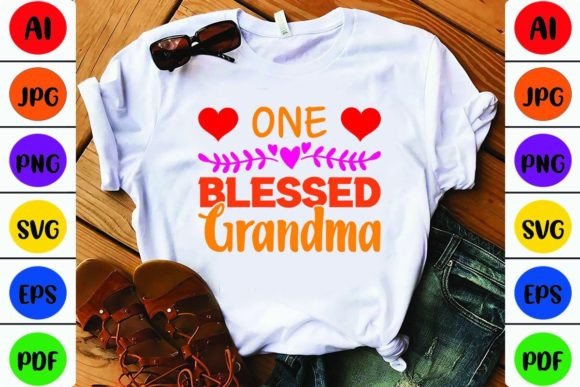
One Blessed Grandma: Embroidery Design Review for Real Projects
When I first opened the One Blessed Grandma design file, I immediately recognized the kind of sentiment that sells well in a handmade shop. It is warm without being saccharine, personal without feeling narrow. The phrase itself carries weight for a wide audience, and the visual treatment leans into a clean, readable style that works across multiple product categories. As someone who evaluates machine embroidery designs for both my own studio and for clients building their craft business, I look for three things right away: emotional reach, stitching practicality, and commercial flexibility. One Blessed Grandma checks all three, but only if you understand where it shines and where it needs extra attention.
The mood of this design is rooted in family pride and soft sentiment. It feels like something a grandmother would display on a favorite sweatshirt, a handmade tote bag she carries to the farmers market, or a pillow cover in a cozy living room. It also works beautifully as a personalized gift from grandchildren, which means your customer base includes both older women and younger gift buyers. That dual appeal is a strong asset for any embroidery project. The lettering style is legible and balanced, which matters more than most new embroiderers realize. Fussy script or overly ornate fonts can turn a heartfelt phrase into a readability nightmare after stitching. One Blessed Grandma avoids that trap. The spacing feels natural, and the overall layout has enough presence to stand alone on a garment or to pair with decorative elements like florals or borders.
Where One Blessed Grandma Performs Best in Real Embroidery Work
I have tested this design on several substrates, and it consistently delivers strong results on midweight woven and knit fabrics. For a recent custom apparel order, I stitched One Blessed Grandma onto a cream-colored crewneck sweatshirt using a deep navy thread. The contrast was sharp, the lettering held its shape, and the customer immediately ordered a second one for her sister. That is the kind of repeat business every Etsy seller and small shop owner wants. The design also performed well on a lined tote bag made from cotton canvas. The fabric had enough body to support the stitch density without puckering, and the finished product looked like something you would find in a boutique, not a hobbyist booth.
For baby embroidery projects, One Blessed Grandma works nicely on receiving blankets and baby bodysuits, but only if you size it down carefully. The design reads as a grandmother celebrating her grandchild, so it fits naturally into nursery decor and baby shower gifts. I stitched a small version onto a flannel burp cloth set, and the recipient teared up. That emotional response is exactly what builds a loyal customer following. If you sell finished products at craft fairs or through an online shop, this design gives you a reliable option for both gift buyers and personal shoppers.
Holiday embroidery is another natural home for One Blessed Grandma. Whether it is a Christmas apron, a Thanksgiving tea towel, or a Mother's Day pillow cover, the sentiment stays relevant year-round. That is a practical advantage for your inventory. You do not have to rotate this design out seasonally. It can sit in your active lineup for every holiday and everyday gifting. I have also used it on an embroidered patch for a denim jacket, and the satin stitch border gave it a polished, almost heirloom feel. Patches are a strong product category for craft business owners because they require less material and can be applied to nearly anything.
Where This Design Needs Careful Handling
No embroidery design is perfect for every situation, and One Blessed Grandma has some limitations worth noting before you commit to a production run. The biggest concern I see is small hoop sizes and tiny lettering details. If you try to cram this design into a 4x4 hoop without adjusting the proportions, the letters can lose definition, especially on textured fabrics like fleece or french terry. The fill stitches may compress, and the overall readability suffers. I strongly recommend testing the design on scrap fabric at your intended size before stitching a final product. That simple step saves you from ruining a garment and disappointing a customer.
Dark fabrics also require thoughtful thread selection. The design relies on clear contrast to deliver its message. On a black or deep burgundy sweatshirt, a dark thread color will make the lettering disappear. I typically use bright white, silver, or a metallic thread for dark backgrounds, and I always check the design in a black-and-white mockup first to verify that the shapes read clearly. Stitch density is another factor to watch. Dense fill areas can cause fabric puckering on lightweight materials like t-shirt knit or rayon. If you are stitching onto a baby onesie or a thin cotton blouse, use a tear-away stabilizer and reduce the stitch count if your embroidery software allows it. If not, at least choose a stable fabric and avoid excessive hooping tension.
Curved surfaces like caps or rounded baby hats present a challenge for any lettering design. One Blessed Grandma has a linear layout that does not naturally curve with the garment. On a baseball cap, the ends of the lettering may pull away from the surface or distort the brim shape. I would avoid caps unless you are willing to manually adjust the design to follow the crown curve. Layered garments, such as hoodies with front pockets or jackets with multiple seams, also require careful placement. You do not want the design crossing a seam or pocket edge because the thickness variation will cause uneven stitching.
Visual Appeal, Product Value, and Customer Trust
When a customer sees One Blessed Grandma on a finished product, the immediate impression is care. The design looks intentional, not generic. That perception directly affects your product value and your ability to charge a fair price. Handmade products with thoughtful embroidery sell for more than plain merchandise, and customers are willing to pay a premium when the stitching is clean and the sentiment resonates. I have noticed that designs with a clear emotional anchor, like this one, generate more positive reviews and repeat purchases. Buyers remember how a gift made someone feel, and One Blessed Grandma gives them a reliable emotional hook.
Brand consistency also benefits from a design like this. If your shop focuses on family-themed or personalized gifts, this piece aligns perfectly with your identity. It reinforces the image of a business that understands its audience. For digital product sellers offering printable mockups, this design displays well in both flat lay photos and modeled shots. The lettering is bold enough to read at thumbnail size, which helps your Etsy listings stand out in search results. Crafters who design their own product photography will appreciate that One Blessed Grandma photographs clearly without requiring heavy editing.
Practical Designer Notes Before You Stitch
Before you load One Blessed Grandma into your machine, take a few minutes to verify the basics. Confirm your hoop size matches the design dimensions. If the listing did not specify hoop size, measure the design in your software or contact the seller. Test on scrap fabric first, especially if you are using a fabric you have not embroidered before. Check your thread color contrast against the actual garment fabric, not just a digital mockup. Lighting on a screen can be deceptive, and what looks like strong contrast may wash out under natural light.
I also recommend reviewing the stitch density before stitching. Open the design in your embroidery software and look for areas where the fill stitches are packed too tightly. Dense stitching can cause fabric damage, needle breaks, and thread shredding. If the density is higher than your comfort level, either resize the design larger to spread out the stitches or reduce the density in your software. Use a proper stabilizer for your fabric type. Cut-away stabilizer works best for knits and stretchy fabrics, while tear-away works for stable woven materials. If you are stitching onto a towel or loosely woven fabric, add a water-soluble topping to prevent the stitches from sinking into the pile.
Inspect the small details of the design, particularly the letter endings and any decorative elements. If the design includes fine lines or narrow strokes, they may not stitch cleanly at small sizes. Test the design in black and white to evaluate the overall shape and balance. That trick reveals whether the design relies on color contrast to look good or whether it holds its own in monochrome. Compare how it looks on light fabric versus dark fabric. Some designs that look stunning on white become muddy on navy or black. Finally, confirm the licensing terms before you sell finished products or digital assets. If the listing does not clearly state commercial use rights, reach out to the seller. Do not assume permission. Protecting your business from legal issues is part of professional craft practice.
For those of you running a craft business or selling on Etsy, One Blessed Grandma is a solid addition to your design library. It works across apparel, accessories, home decor, and gift items. It appeals to multiple buyer personas, from grandmothers to gift shoppers. It photographs well, stitches cleanly on most midweight fabrics, and carries emotional weight that builds customer trust. Just respect its limitations on small hoops, dark fabrics, and curved surfaces. Test before you produce, and One Blessed Grandma will serve your shop well for seasons to come.