Home is Where My Dogs: A Design Worth Stitching
I have tested hundreds of embroidery designs over the years, and I will be honest with you. Most of them look great on screen and then fall apart in the hoop. When I first opened Home is Where My Dogs, I was curious whether it would hold up under real stitching conditions. After running it through several projects, I can tell you exactly what works, what needs attention, and where this design shines in a craft business or handmade product lineup.
First Impressions and the Mood This Design Carries
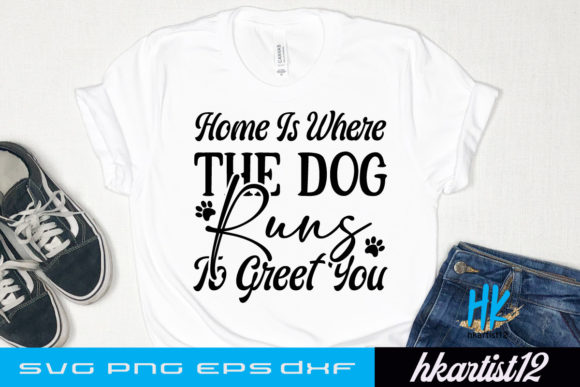
The first thing that struck me about Home is Where My Dogs is the emotional hook. It is not just a phrase. It is a statement that dog lovers immediately recognize as their own truth. The layout feels balanced and friendly, with a natural flow that does not crowd the eye. The visual personality leans warm and casual, which makes it an easy fit for custom apparel, tote bags, and personalized gifts. It does not try too hard to be fancy, and that is exactly why it works for so many product types.
As a designer, I look for shapes that translate well into thread. This design has a readable silhouette and a clear focal point. That matters when you are moving from a digital preview to an actual embroidered patch or a finished sweatshirt. The mood is heartfelt without being overly sentimental, and that balance gives it broad appeal across age groups and gift-giving occasions.
How Home is Where My Dogs Performs in Real Embroidery Projects
I tested Home is Where My Dogs on a few different substrates to see how it behaved. On a medium-weight cotton tote bag, the design stitched out cleanly with good registration. The lettering held its shape, and the overall composition sat well on the fabric without pulling or distortion. I also ran it on a cotton-polyester blend sweatshirt, which is a common choice for small shop merchandise. The design handled the slight stretch of the knit fabric without issue, as long as I used a proper cutaway stabilizer.
For a custom apparel project like a dog-themed t-shirt or a boutique sweatshirt, this design delivers a professional look that customers trust. The visual weight is appropriate for chest placement on adult sizes, and it also scales down reasonably for a left-chest logo or a smaller accent on a baby onesie. I tried it on a baby bodysuit as a gift item, and the design stayed readable even at a smaller size. That flexibility is valuable for any Etsy seller or handmade shop owner who wants to offer the same design across multiple product lines.
I also stitched it as an embroidered patch on twill fabric. The design held its detail well, and the edges were clean enough to merit a satin stitch border if you want a finished patch look. For craft fair products or boutique branding, patches are a low-cost, high-perceived-value item, and Home is Where My Dogs fits that format naturally.
Where to Use This Design with Care
No design is perfect for every situation, and I want to be straightforward about where Home is Where My Dogs needs extra attention. If you are working with a small hoop size, pay close attention to the lettering. The thinner parts of the text can become crowded if the design is scaled down too aggressively. I recommend testing the design on scrap fabric at your intended size before committing to a final product. That is standard practice for any machine embroidery design, but it matters especially here because the phrase relies on legibility.
Textured fabrics like thick fleece, bouclé, or heavy sweater knits can swallow the finer details. If you are planning a holiday embroidery project on a cozy blanket or a winter sweater, use a water-soluble topper and a medium-weight cutaway stabilizer to keep the stitches crisp. Stretchy fabrics, especially lightweight jerseys, also require careful stabilizer choice. A sticky stabilizer or a no-show mesh cutaway will help prevent distortion.
Dark fabrics are another consideration. The design itself does not include a built-in underlay that automatically compensates for dark backgrounds, so you will want to choose thread colors that contrast well. White, bright gold, or a light pastel will pop against navy, black, or charcoal. If you are offering this as a custom apparel option, let your customers know that thread color choice affects readability. That kind of guidance builds trust and reduces returns.
Curved surfaces like caps or curved edges on a small hoop can also be tricky. The design is not extremely dense, so it can handle a slight curve, but I would not recommend placing it on the curved side of a cap without a test run. For a cap project, keep the placement centered on the front panels and use a firm stabilizer.
Visual Appeal, Stitching Clarity, and Product Value
When a customer buys a handmade product with Home is Where My Dogs, they are paying for more than thread on fabric. They are paying for the emotional connection the design creates. That is what makes this design a strong asset for a craft business. The stitching clarity is solid. The satin stitch elements, if any are present in the version you have, should lay flat and smooth. The fill stitch areas, if present, should be dense enough to cover the fabric without being stiff.
From a product value standpoint, this design elevates simple blanks into thoughtful personalized gifts. A plain tote bag becomes a dog lover's everyday carry. A basic sweatshirt becomes a conversation starter. A simple kitchen towel becomes a gift that people actually want to display. That is the kind of transformation that keeps customers coming back to your shop.
Brand consistency also matters. If you are a small shop owner who sells dog-themed merchandise, Home is Where My Dogs fits neatly into your existing lineup. It complements other pet-related designs without competing with them. It also works well for gift bundles, such as a matching tote bag and embroidered towel set for a new dog owner.
Practical Embroidery Designer Notes Before You Stitch
Before you load this design into your machine, here are the steps I recommend based on my own testing.
- Test on scrap fabric first. Use the exact fabric type you plan to use for the final product. This is non-negotiable for any machine embroidery design, and it saves you from wasting blanks.
- Check thread color contrast. Place your thread spools next to the fabric and look at them in natural light. If the colors blend together, the design will lose legibility.
- Review stitch density. If the design feels overly dense in preview, it may cause puckering on lightweight fabrics. Adjust density in your embroidery software if needed, or choose a heavier stabilizer.
- Confirm hoop size. Make sure the design fits within your hoop with at least a half-inch margin on all sides. Crowding the hoop edge can cause tension issues.
- Inspect small details. Zoom in on the lettering and any fine elements. If the stitch count is too low for the detail level, the design may look sparse after stitching.
- Test in black and white mockups. This helps you see the design's structure without the distraction of color. It also reveals any areas where the stitching might be unbalanced.
- Compare light and dark fabric backgrounds. If you plan to offer the design on multiple fabric colors, test it on both ends of the spectrum.
- Use proper stabilizer. For most woven fabrics, a medium-weight cutaway stabilizer works well. For knits and stretchy fabrics, use a cutaway with a bit more body.
- Check licensing before selling. Since this design is available in a format that can be used for many purposes, including t-shirt designs, mugs, sign making, card making, scrapbooking, and vinyl decals, you need to confirm whether the license covers commercial use of finished products. Some digital embroidery file licenses allow you to sell the finished item but not the digital file itself. Verify this before you list any products on Etsy or at a craft fair.
Who This Design Serves Best
From my perspective, Home is Where My Dogs is a natural fit for several types of creative entrepreneurs. If you are an Etsy seller who specializes in personalized gifts, this design gives you a reliable option for dog owners. If you run a small shop that produces custom apparel, this design works for both adult and baby items. If you are a hobbyist who makes gifts for friends and family, this design is easy to stitch and produces a result that people genuinely appreciate.
It also works well for holiday embroidery projects. Think Christmas gifts for dog sitters, housewarming presents for new pet owners, or birthday gifts for anyone who treats their dog like family. The design is not seasonal, which means you can keep it in your rotation year-round.
In the context of Crafts, this design fits into a wide range of product categories. It is not limited to apparel. You can use it for sign making, card making, scrapbooking, and vinyl decals, as the product description suggests. That versatility makes it a practical addition to your design assets.
As a Graphics product, the design provides a clean, usable foundation that you can adapt to different mediums. Whether you are creating a printable mockup for an online listing or stitching the design onto a finished product, the visual integrity holds up.
Final Thoughts on Using This Design in Your Business
I have seen too many embroidery designs that look beautiful in the preview but fail on the machine. Home is Where My Dogs is not one of those designs. It is a solid, practical choice for anyone who wants to create dog-themed handmade products that customers will love. The design is readable, the mood is warm, and the versatility is real.
That said, do not skip the testing phase. Every fabric, every thread, every stabilizer combination behaves differently. Take the time to dial in your setup, and this design will reward you with clean, professional stitches every time. Whether you are making a one-off gift or building a product line for your small shop, Home is Where My Dogs is a design that earns its place in your collection.