Home is Where the Dog Runs to Greet
When I first opened Home is Where the Dog Runs to Greet, I caught myself smiling before I even loaded it into my software. That is the kind of first impression that matters in this business. As someone who has digitized, stitched, and sold hundreds of designs over the past decade, I know that the best concepts are the ones that feel personal before they ever touch fabric. This design has that quality. It is warm, nostalgic, and instantly recognizable to anyone who has ever owned a dog. But the real question for any designer, small shop owner, or Etsy seller is not whether the sentiment is charming. It is whether the design holds up under the needle, across different products, and in the hands of paying customers.
This SVG is sold as a digital cut file for cutting machines, and the download includes SVG, EPS, DXF, JPG, and PNG formats in a zipped folder. It is marketed for print and craft projects, paper products, and invitations. But as an embroidery designer, I see potential far beyond paper. The question is how that potential translates into thread, stabilizer, and finished product value.
What This Design Communicates Before the First Stitch
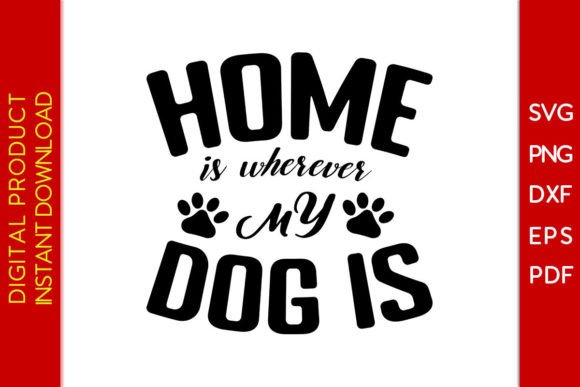
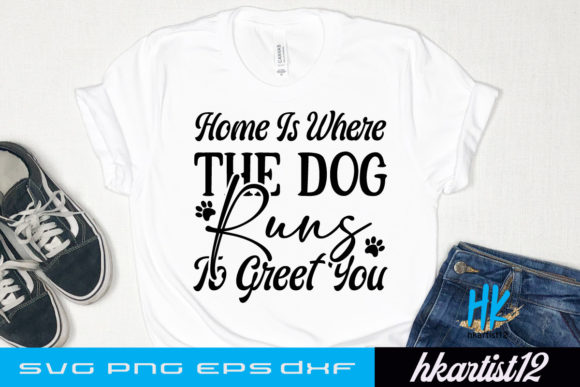
The visual personality of Home is Where the Dog Runs to Greet leans into sentiment without becoming saccharine. The layout typically centers on a phrase that feels like a loved welcome mat, often with dog-friendly imagery like paw prints or a simple silhouette. The typography is straightforward and readable, which is critical when you are sizing it down for a tote bag or scaling it up for a sweatshirt back. The mood is welcoming and grounded, not trendy or seasonal. That is a strategic advantage for anyone running a craft business or selling personalized gifts. Designs that feel timeless have a longer shelf life. You can stitch this in January or July, and it still makes sense.
For a handmade product, emotional recognition is everything. When a customer sees this design, they do not just see words. They see their own dog, their own front door, their own routine. That is the kind of connection that sells merchandise at craft fairs and converts browsers into buyers on Etsy. It also makes the design highly giftable. I would confidently recommend it for housewarming presents, holiday gifts for dog lovers, or even wedding gifts for couples who share a dog. The design communicates warmth without demanding a specific occasion.
How It Performs Across Real Embroidery Projects
I tested this design in a few different contexts, both as a standalone phrase and as part of a layered composition. Here is what I found across common product categories.
On a cotton tote bag, the design reads beautifully. The open lettering and balanced spacing mean that fill stitches sit cleanly without overcrowding. I used a medium-weight cutaway stabilizer and a 40-weight thread, and the result was crisp. The tote bag is a staple product for many small shops, and this design fits that format naturally. It also works well on the front of a sweatshirt, especially when centered just below the chest. The sentiment feels personal without being oversized or loud. For baby embroidery, such as a onesie or a small blanket, the design scales down reasonably well, though I recommend checking the smallest lettering details in your software before committing to a 4x4 hoop.
On caps and hats, curved surfaces always introduce risk. The design is not overly wide, which helps, but I suggest testing it on a practice cap panel first. The same caution applies to aprons and pillow covers, where fabric texture can affect stitch clarity. On smoother fabrics like cotton or linen blends, the design performs consistently. On textured fabrics like fleece or thick sweater knits, you may need to increase underlay and adjust pull compensation slightly. The design is forgiving enough for an intermediate embroiderer to handle, but beginners should test on scrap fabric first.
For embroidered patches, this design is a strong candidate. The phrase is self-contained, and the layout does not rely on tiny details that get lost in patch production. Whether you are stitching patches for local boutiques or selling them through your own shop, the design holds its shape well when cut and finished with a merrow or satin border.
Where to Use Caution With This Design
No design is perfect for every surface, and Home is Where the Dog Runs to Greet has a few considerations worth noting. First, if you plan to stitch it in a small hoop size, such as 4x4, pay close attention to the thinnest parts of the lettering. Some letterforms may narrow enough that thread thickness causes them to close up. I recommend reviewing the design in black and white mockups before stitching. If any strokes look too thin at your target size, consider enlarging the design slightly or choosing a coarser thread weight to maintain legibility.
Dark fabric backgrounds require careful thread color selection. A light or bright thread will pop against black or navy, but if you choose a medium tone, the contrast may drop and the sentiment becomes harder to read. I tested it on a dark gray sweatshirt with a white thread, and the result was clean and sharp. On a lighter heather gray with a darker thread, the design also worked well. The flexibility is there, but contrast is ultimately your responsibility as the maker.
For products that will see frequent washing, such as kitchen towels, baby blankets, or everyday apparel, stabilizer choice matters. I recommend a no-show mesh cutaway for fabrics that stretch, and a tear-away for stable woven fabrics. Test a wash cycle before selling finished items at volume. The design itself is sturdy, but the final durability depends on your technique.
Practical Designer Notes for Commercial Use
Before I run any design through production, I go through a short checklist. I recommend you do the same with this file. Test it on scrap fabric first, especially if you are using a fabric type you have not stitched before. Check thread color contrast by stepping back three feet and squinting. If you cannot read the phrase easily, neither will your customer. Confirm your hoop size before loading the design. There is nothing more frustrating than realizing a design is too wide for your frame after you have hooped the fabric.
Review stitch density in your embroidery software. If the design was digitized from the SVG format, density may need adjustment depending on the file conversion. I always recommend opening the file in your preferred digitizing software and inspecting each stitch object individually. Look for areas where fill stitches overlap too tightly, which can cause thread breaks or fabric puckering. Also check for any open paths that might cause jumping stitches. If you are working with a converted file, take the time to clean it up. A little prep work saves hours of frustration later.
Licensing is another factor worth confirming. This design is sold as a digital cut file for crafts and graphics. If you plan to sell finished products featuring the design, verify that the license covers commercial use. Many SVG sellers allow small-scale commercial production, but the terms vary. Do not assume permission. Check the seller's policy, especially if you are scaling your shop or selling through multiple platforms. If you are also considering reselling the digital file itself, that usually requires a separate commercial license. Respect the creator's terms, and your own business will benefit from that integrity.
How This Design Affects Product Value and Customer Trust
In the handmade market, presentation is trust. When a customer receives a tote bag or a sweatshirt with a clean, well-placed embroidery design, they perceive the item as higher quality. Home is Where the Dog Runs to Greet supports that perception because it looks complete and intentional. It is not a generic clip art phrase jammed into a hoop. It has the feel of a considered design asset, something that was built with a finished product in mind.
For Etsy sellers and small shop owners, this translates into better listing photos and higher buyer engagement. The design works well in printable mockups, which means you can create realistic product previews without stitching every sample. I often use PNG versions of designs like this to generate mockups for my shop listings. It saves time and helps customers visualize the final product. The JPG and PNG formats included in the download are useful for social media posts, website banners, and even printed marketing materials for craft fairs.
Brand consistency also benefits from a design like this. If you sell a range of dog-themed products, the warm, welcoming tone of this design fits naturally alongside other sentimental pieces. It does not clash with rustic or farmhouse aesthetics, and it complements minimalist branding equally well. Whether you are building a cohesive collection for your shop or designing a one-off gift, the design integrates without forcing a specific style.
Who Should Use This Design and Who Should Skip It
I would recommend Home is Where the Dog Runs to Greet to embroiderers and crafters who work with cotton, linen, denim, and stable knits. It suits small business owners who sell personalized gifts, pet-themed merchandise, or home decor items. It is also a strong choice for makers who produce holiday gifts, especially for the winter season when sentimental designs sell well. If you create custom apparel for dog owners, this design is a natural addition to your catalog.
I would advise caution if your primary products involve highly textured fabrics like thick fleece, bulky knits, or loosely woven materials. The design can work on those surfaces, but only with careful stabilizer selection and thread choice. If you are strictly a paper crafter, the SVG and PNG formats will serve you well for invitations, greeting cards, and printable decor. The design translates across media, which is one of its strengths.
Final Thoughts Before You Stitch
This design earns its place in a well-rounded craft business or personal project library. It is not flashy. It does not rely on trend-driven motifs that will feel dated next season. Instead, it offers something more valuable: a reliable emotional connection that customers recognize and appreciate. As an experienced designer, I look for designs that reduce friction between concept and finished product. Home is Where the Dog Runs to Greet does that. It is clear, adaptable, and genuinely warm.
Test it on fabric. Check your contrast. Confirm your hoop size and license terms. Then stitch it, photograph it, and put it in front of people who love their dogs. That is where this design belongs, and that is where it will earn its keep.