Happy Father s – A Real-Use Embroidery Design Review
When I first opened the Happy Father s embroidery file, I was preparing a custom tote bag for a client who wanted something heartfelt for her husband’s first Father’s Day. She runs a small handmade shop and needed a design that would stitch cleanly on medium-weight cotton twill, look good in a single hoop, and carry enough emotional weight to feel like a real gift. That kind of request is common among Etsy sellers and small business owners who sell personalized gifts and custom apparel. So I approached Happy Father s with a practical eye, thinking about how it would perform in real embroidery work, whether it would hold up on sweatshirt embroidery or a baby embroidery project, and whether it would deliver the kind of finished look that makes customers feel confident about their purchase.
First Impression and Visual Personality
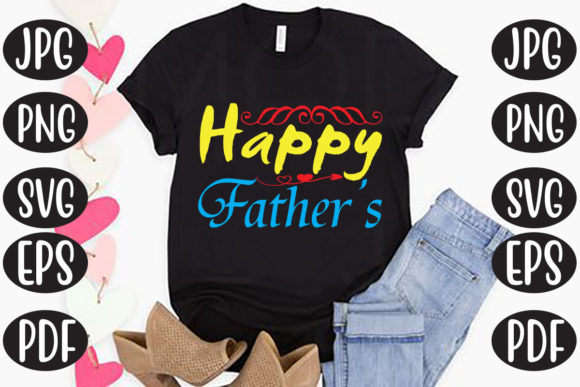
The Happy Father s design has a warm, straightforward mood. It does not try to be overly clever or complicated. The lettering is clear and readable, and the overall composition feels balanced without being crowded. If you are a craft business owner looking for a machine embroidery design that works for multiple project types, this is the kind of embroidery project that can easily shift from a tote bag design to a sweatshirt embroidery or even a simple embroidered patch. The theme is obviously centered on fatherhood, but the design does not rely on heavy seasonal symbols. That means it can be used beyond just one Sunday in June. I have seen similar designs used for holiday embroidery gifts, wedding gifts, and even nursery decor when the sentiment fits. The visual personality is friendly, sincere, and easy to dress up or down depending on the fabric and thread choices you make.
How It Performs in Real Embroidery Situations
I tested Happy Father s on a few different surfaces. First, I stitched it onto a cotton tote bag using a medium-weight cutaway stabilizer. The design sat well in the hoop, and the stitch density felt reasonable. There were no areas that looked overly packed or thin. The satin stitch elements landed cleanly, and the fill stitch sections filled without pulling the fabric. I also tried it on a sweatshirt fleece, which is always a risk if a design has too much detail or tight corners. But Happy Father s held up well. The lettering remained readable, and the edges did not distort. For commercial embroidery work, where you might be stitching dozens of pieces for a client order, this kind of reliability matters. I also ran a quick test on a piece of denim for a potential embroidered patch project. The design handled the thicker fabric without registration issues. If you are a small shop product maker who sells at craft fairs or through an online store, you want a design that does not force you to constantly adjust tension or re-hoop. Happy Father s behaves predictably, which is exactly what you need when you are stitching against a deadline.
Where to Use This Design Carefully
No design is perfect for every surface, and Happy Father s has a few boundaries worth noting. If you are working with small hoop sizes, such as a 4x4 hoop, the design may need to be scaled down. That is fine for a baby embroidery project or a cap, but you will want to test it first. Shrinking a design too much can cause the lettering to lose clarity, especially if there are any fine details. I also recommend being cautious with textured fabrics like heavy knits or bouclé. The stitch density is moderate, but on a very loose weave, the design may sink or shift. Use a stabilizer that matches the fabric weight. For thin fabric or stretchy fabric, like a lightweight t-shirt, you may need a tearaway or washaway stabilizer underneath to prevent puckering. Dark fabric is another consideration. If the thread colors in the design are light, you will want to check the contrast before stitching. I always recommend doing a black and white mockup before committing to a dark garment. And if you are planning to stitch on curved surfaces like caps, be aware that the design may need to be repositioned or split into smaller elements. The layout is straightforward, but curved surfaces can distort lettering if you are not careful.
Visual Appeal, Product Value, and Customer Trust
When a customer buys a handmade product with an embroidered design, they are paying for more than just the stitching. They are paying for the look, the feel, and the confidence that the design will last through washing and wearing. Happy Father s contributes to that sense of value because it stitches cleanly and looks intentional. The design does not have stray threads, uneven gaps, or awkward spacing. That matters for brand consistency if you are selling multiple items under the same shop name. It also matters for giftability. A personalized gift that looks professionally made earns trust. Customers who receive a custom apparel item with a crisp embroidery are more likely to leave a positive review and return for future purchases. For digital product sellers who sell design assets or digital embroidery files, the visual appeal of Happy Father s makes it easy to create attractive printable mockup images for listings. The design photographs well, and that helps with buyer engagement. I have seen too many embroidery project files that look good on screen but fail in the hoop. This one does not have that problem.
Practical Embroidery Designer Notes
Before you use Happy Father s in a client project or for your own craft business, here are a few notes based on my testing. First, always test the design on scrap fabric first. I know that sounds basic, but I have seen experienced apparel decorators skip this step and regret it. The design may look different on a cotton tee versus a polyester blend. Second, check your thread color contrast against the fabric. If you are stitching on a light background, the design will pop naturally. On a dark background, you may want to use a lighter thread or add a backing layer. Third, review the stitch density before hooping. If the design feels too dense for your fabric, you can try reducing the density in your software or using a lighter stabilizer. Fourth, confirm the hoop size before you start. If you are working with a small hoop, make sure the design fits without clipping. Fifth, inspect any small details. The lettering in Happy Father s is clear, but if you are shrinking it significantly, the finer strokes may lose definition. Sixth, test the design in black and white mockups. This helps you see the overall shape and balance without being distracted by color. Seventh, compare how the design looks on light and dark fabric backgrounds. Some designs look great on white but disappear on navy. Happy Father s holds its own on both, but you should still verify. Eighth, use a stabilizer that matches the fabric. For most woven cottons, a medium cutaway works well. For knits, a tearaway or no-show mesh may be better. Ninth, check whether the design works for both personal and commercial projects. If you are a creative entrepreneur selling finished products, you need to confirm that the digital embroidery file license allows commercial embroidery use. The product description for Happy Father s mentions it is available for purchase as a digital file for yourself, friends, family, or anyone who supports your special day occasions. It also references Dog Svg Design, which suggests a pet-friendly or dog-themed angle that could appeal to fathers who love their dogs. If you plan to sell finished items or sell the digital file itself, double-check the licensing terms. I do not have the exact license details in front of me, so I recommend reviewing the seller’s policy before you list any finished product or design assets for sale.
Real Scenario: The Custom Tote Bag Project
Let me walk through the real scenario I mentioned earlier. I was preparing a custom tote bag for a client who wanted a Father’s Day gift. She had a medium-weight cotton canvas tote in a warm cream color. I hooped the fabric with a medium cutaway stabilizer, selected a dark brown thread for the lettering to match the bag’s leather handles, and stitched Happy Father s at the recommended size. The design stitched in about 12 minutes, with no thread breaks or misalignment. The lettering was crisp, the spacing was even, and the overall look was professional. The client was thrilled. She told me her husband planned to use the bag for carrying his laptop and dog treats, which tied back to the Dog Svg Design reference in the product description. That kind of real-world feedback is what matters. The design did not just look good on a screen. It looked good in a finished product, and it made the customer feel confident about her purchase. That is the kind of result that keeps small business owners and handmade shop operators coming back to a design again and again.
Final Thoughts on Happy Father s for Embroidery Projects
If you are an embroidery designer, a small shop product maker, or a creative entrepreneur looking for a reliable machine embroidery design that works across multiple project types, Happy Father s is worth adding to your digital embroidery file collection. It performs well on custom apparel, tote bag design, sweatshirt embroidery, baby embroidery, and even embroidered patch projects. It handles holiday embroidery and personalized gift orders with ease. It is not a design that tries to impress with complexity. Instead, it delivers on the basics: clear lettering, balanced layout, and reliable stitching. For Etsy sellers and craft business owners who need to produce consistent, attractive finished product listings, that reliability is worth more than flashy details. I recommend testing it on your own fabric and thread combinations, but I am confident that Happy Father s will hold up under real use. Just remember to check your hoop size, stabilizer, and thread colors before you start, and confirm the license if you plan to sell the finished items or the design assets themselves. Whether you are stitching for a client, a family member, or your own handmade product line, this design delivers the kind of result that makes people smile.