German Shepherd Dog: A Designer’s Project Review
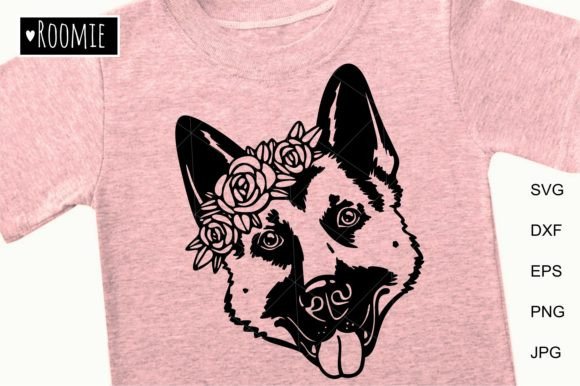
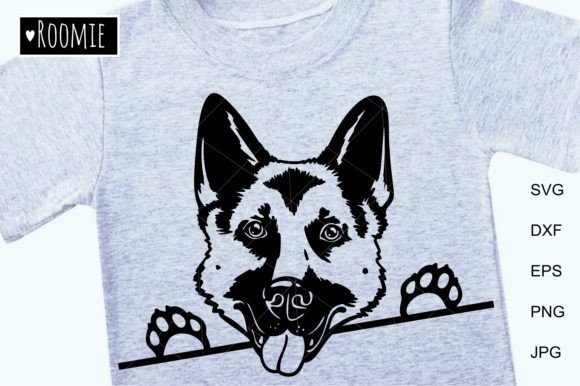
When I first opened the German Shepherd Dog design file, my immediate reaction was that this piece has a grounded, loyal energy. The hand-drawn quality is front and center—there is a softness to the lines that feels intentional, not accidental. This is not a stiff, generic clip-art silhouette. It carries the kind of expressive character that makes a finished embroidery project feel personal rather than mass-produced. For anyone running a small shop, creating handmade gifts, or building a brand around custom apparel, that distinction matters a lot.
The design leans into a sketch-like aesthetic. The dog’s posture, the angle of the ears, the set of the muzzle—all of it reads as a thoughtful interpretation of the breed. If you have ever worked with animal embroidery designs before, you know that capturing the essence of a breed without overcomplicating the stitch path is a real challenge. This file manages to stay detailed enough to feel authentic while leaving room for the embroiderer to add their own interpretation through thread choices and fabric selection.
First Impressions and the Craft of Hand-Drawn Embroidery
I tested the German Shepherd Dog design on a medium-weight cotton tote bag first. That is my go-to baseline for any new embroidery file. Cotton tote bags are forgiving, they show stitch clarity well, and they are a staple product for most craft businesses. The hand-drawn nature of the design translated beautifully in a single-color satin stitch approach. The line work had enough variation to suggest fur texture without demanding dense fill stitching that might distort the fabric.
If you are browsing in the Crafts category for a dog design that works across multiple project types, this one has a versatile feel. It does not scream “novelty” in a way that limits its use. Instead, it reads as a respectful tribute to the breed. That makes it suitable for everything from a simple shirt design to a more elaborate embroidered patch on a canvas apron.
The design also performs well as a Graphics file for digital mockups. I ran a quick printable mockup on a kraft-toned background, and the hand-drawn lines stood out with a nice vintage vibe. That is a big advantage for Etsy sellers who need to present their finished products in a way that feels curated and attractive to buyers.
Where This Design Shines in Real Project Work
I prepared a custom embroidered sweatshirt for a client who wanted a gift for a longtime German Shepherd owner. That project became a natural test case for how the German Shepherd Dog design holds up in real use. We chose a cream-colored sweatshirt and a deep brown thread. The result was understated but clearly recognizable. The client later told me the recipient wore it four days straight. That kind of response is exactly what you want when you put a handmade product into the world.
Here is where I found the design works best:
- Custom apparel: Sweatshirts, t-shirts, and hoodies with a center chest placement. The design sits well in a 4x4 or 5x7 hoop, depending on how large you want the finished embroidery to be.
- Tote bags: As I mentioned, the hand-drawn style pairs naturally with cotton, canvas, and linen totes. It adds a boutique quality without overwhelming the product.
- Embroidered patches: If you sell patches for craft fairs or Etsy, this design is a strong candidate. The line work lends itself to a clean patch shape, and the breed recognition is immediate.
- Baby and kids items: A smaller version on a baby bodysuit or a toddler hoodie works well. The design’s friendly expression keeps it from feeling too serious.
- Holiday and personalized gifts: Whether it is a Christmas gift for a dog lover or a memorial piece for a beloved pet, the design carries enough emotional weight to feel meaningful.
- Pillow covers and home decor: Stitched onto a linen pillow front, it becomes a subtle accent piece that dog owners appreciate.
- Kitchen towels and tea towels: A small placement in the lower corner of a towel adds charm without dominating the fabric.
Places to Use Careful Judgment
No design is perfect for every surface. The German Shepherd Dog file requires some thought about fabric and placement. Here are the situations where I recommend testing first:
- Small hoop sizes (under 4x4): If you compress the design into a very small hoop, some of the hand-drawn detail may become muddied. The line variation needs room to breathe. Test a scaled-down version on scrap fabric before stitching it onto a finished product.
- Stretchy fabrics: Jersey knits and performance fabrics can distort the design if you do not use the right stabilizer. A cutaway stabilizer is your friend here. The stitch density is moderate, but any stretch fabric will pull at the stitches if you skip proper stabilization.
- Dark fabrics: The design relies on line clarity. On a black or navy fabric, choose a thread color that pops—metallic gold, white, or a bright cream will preserve the hand-drawn look. Dark brown on black will disappear.
- Curved surfaces like caps: The design has a horizontal orientation that may need to be adjusted for a cap front. I would recommend testing it on a practice cap before stitching for a client. The hand-drawn lines can handle a slight curve, but the overall composition should be centered carefully.
- Dense stitch areas: If you decide to convert the design into a fill stitch applique, watch your stitch density. Too many stitches in a small area can cause fabric puckering, especially on lightweight materials.
- Frequent washing items: Baby blankets and kitchen towels that see heavy washing cycles should be stitched with care. Use a high-quality thread and a dense enough stitch to resist fraying over time.
Visual Appeal, Product Value, and Customer Trust
When you sell a handmade product featuring the German Shepherd Dog design, you are selling more than a piece of embroidery. You are selling a connection to the breed. Dog owners are an attentive audience. They notice when a design gets the proportions wrong or when the expression feels off. This design gets it right, and that builds trust. Buyers who feel that a product captures their pet’s spirit are more likely to leave positive reviews, share photos, and return for future purchases.
From a branding perspective, the hand-drawn quality sets your shop apart from competitors who use generic, vector-style dog silhouettes. It signals that you care about the artistry of your work. That perception directly influences how much customers are willing to pay for a finished product. An embroidered tote bag with a thoughtful design can command a higher price point than a screen-printed alternative, especially when the stitching is clean and the design feels exclusive.
Practical Designer Notes Before You Stitch
Before you commit the German Shepherd Dog design to a final product, I recommend running through this checklist. These are the steps I take with every new embroidery file, and they have saved me from mistakes more times than I can count.
- Test on scrap fabric first. Use the same fabric weight you plan to use for the final product. Check how the design behaves at normal size and at a slightly reduced scale.
- Check thread color contrast. Hold your chosen thread colors against the fabric in natural light. If the design blends into the background, you lose the hand-drawn effect.
- Review stitch density in your software. Open the file in your embroidery digitizing program and look at the density map. If any area shows excessive density, consider adjusting the design or using a lighter stabilizer.
- Confirm hoop size compatibility. Make sure your hoop can accommodate the design without crowding the edges. Leave at least half an inch of clearance for proper tension.
- Inspect small details. Zoom in on the ears, eyes, and muzzle. These are the areas that define the breed. If they stitch out cleanly, the rest of the design will follow.
- Test in black and white mockups. Print a grayscale version of the design and place it on a photo of your intended product. This helps you see the overall layout without the distraction of color.
- Compare light and dark fabric backgrounds. The design will read differently on a white t-shirt versus a charcoal sweatshirt. Test both if you plan to offer the product in multiple colorways.
- Use proper stabilizer. For most applications, a medium-weight cutaway stabilizer will serve you well. For stretchy fabrics, use a sticky stabilizer or a heavier cutaway.
- Confirm licensing before commercial use. The product description mentions this is a digital file for cutting and sublimation. If you plan to sell finished items or the digital file itself, verify the license terms. Do not assume commercial rights are included.
- Plan your placement carefully. A design like this deserves thoughtful placement. Center chest for apparel, lower corner for towels, centered on a tote bag. Give it room to be seen and appreciated.
Final Thoughts for the Embroidery Designer
The German Shepherd Dog design is a solid addition to any embroidery project library. It has the kind of character that elevates a simple handmade product into something a customer feels proud to give or wear. Whether you are stitching a batch of tote bags for a craft fair, customizing a sweatshirt for a repeat client, or building out your Etsy shop with new digital products, this design offers real value. It respects the breed, it respects the craft, and it gives you room to make something beautiful.
As with any embroidery file, the final result depends on your skill, your materials, and your willingness to test before you commit. Take the time to run a sample stitch-out. Adjust your thread palette. Think about the person who will receive the finished product. When you do that, a design like this stops being just a file and becomes part of someone’s story. That is the kind of work that builds a lasting small business.