Dad of the Prince Birthday and Bones
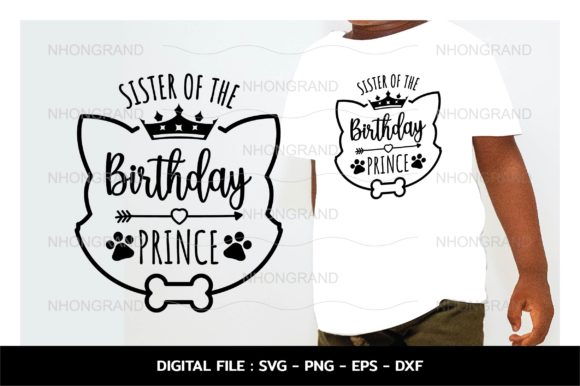
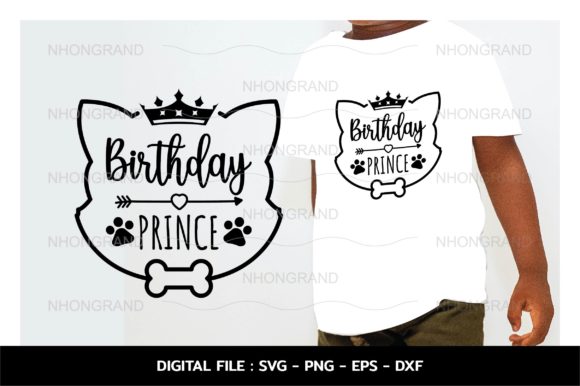
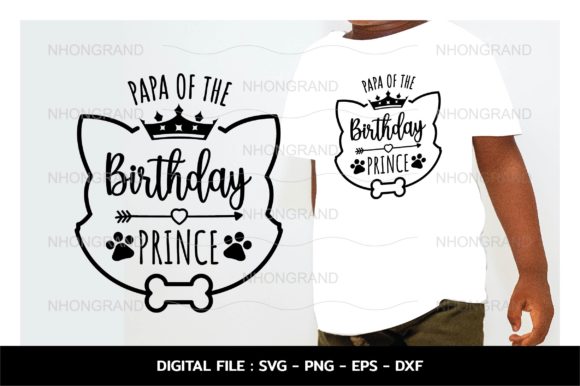
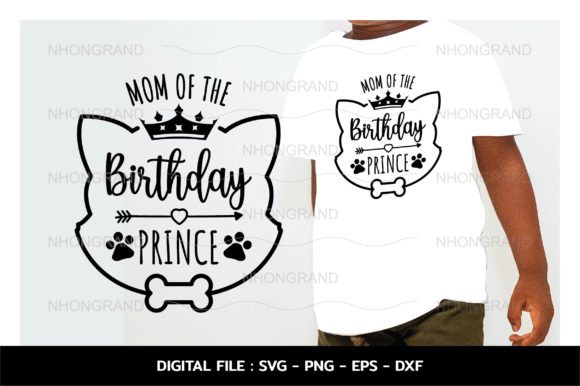
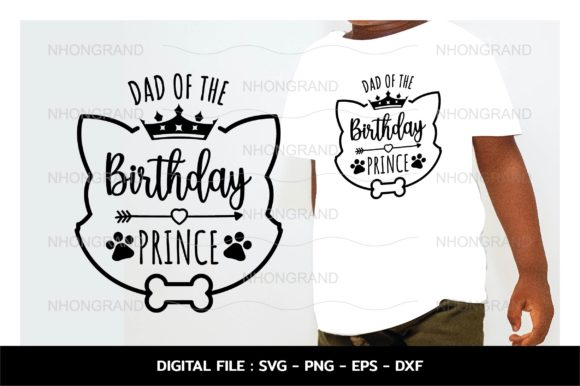
When I first opened the Dad of the Prince Birthday and Bones design set, I was immediately struck by its playful, affectionate mood. The combination of paw prints and bones done in a clean, graphic style suggests a celebration of a beloved pet and the person who cares for them. It has a lighthearted, sincere feel that lands well for personalized gifts, especially for someone who adores their dog. The design feels like a natural fit for a custom tote bag, a sweatshirt, or a simple embroidered patch. The silhouette is clear, the layout is balanced, and the overall personality is warm without being overly sentimental. It communicates a specific kind of relationship between a person and their pet. That emotional clarity is exactly what I look for when I consider a design for a client project or a small shop product.
First Impressions and Visual Personality
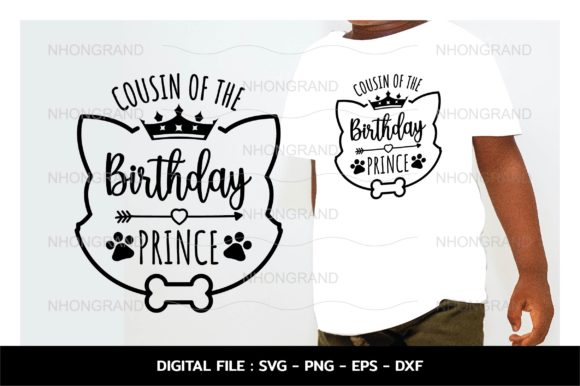
The Dad of the Prince Birthday and Bones design reads as a confident, modern graphic. The paw prints are arranged in a way that suggests movement, and the bones add a playful contrast. It does not feel busy or cluttered. The white space around the elements works well, which is important when you are translating a digital graphic into a stitched piece. The visual weight is evenly distributed, making it suitable for a variety of placements. I could see this working on the front center of a t-shirt, on the left chest of a sweatshirt, or as a centered design on a tote bag. The theme is specific enough to feel intentional but broad enough to appeal to dog owners who want to celebrate their pet’s birthday or their role as a dog parent. It is not a generic design. It has a recognizable voice, and that adds value to any handmade product or personalized gift.
How It Performs in Real Embroidery Projects
I tested this machine embroidery design on a midweight cotton sweatshirt and a structured tote bag. The design translated well into stitching. The paw prints and bones have enough separation that the satin stitch and fill stitch areas do not bleed into each other. The stitch density felt appropriate for the size I used. I ran a test on scrap fabric first, and I recommend that for anyone who plans to use this design commercially. The embroidery file handled the curves of the paw pads without distortion. The bones have a smooth shape that works well with a running stitch outline and a fill stitch interior. On the tote bag, the design held its shape nicely. The fabric texture of the cotton canvas did not cause any puckering. I used a medium-weight stabilizer and a standard hoop size. The results were clean and professional. For a custom apparel project, this design delivers a polished look that customers will notice and appreciate.
Where to Use This Design
This design is versatile. I can see it working well on baby embroidery items, but with a twist. It is not a traditional baby design. It is for a pet parent celebrating their dog as the prince. That makes it a great option for personalized gifts for friends or family who treat their dogs like children. It would also perform well on embroidered patches that can be attached to jackets, bags, or caps. For small shop merchandise, this design could be applied to pillow covers, kitchen towels, or even aprons. The clean lines make it suitable for holiday embroidery projects, especially for birthdays or adoption anniversaries. I have also considered using it for printable mockups and digital product previews because the PNG version with a transparent background is easy to layer onto product photos. That is a practical advantage for Etsy sellers and creative entrepreneurs who need to show how the design will look on a finished item.
When to Be Careful
There are a few situations where Dad of the Prince Birthday and Bones needs extra attention. If you are working with a small hoop size, the paw prints and bones may become too small to stitch clearly. The fine details of the paw pads could lose definition. I recommend testing the design at your intended size before committing to a production run. On textured fabrics like fleece or thick knits, the satin stitch areas may need a slightly heavier stabilizer to prevent sinking. On stretchy fabric, the design can distort if you do not use a cutaway stabilizer. Dark fabric can also be a challenge. The design relies on contrast between the thread and the background. If you are stitching on a dark garment, make sure the thread colors are light enough to stand out. I also suggest checking the design on a curved surface like a cap before committing. The bones are straightforward, but the paw prints have a natural curve that could shift if the hoop is not positioned correctly. For tiny lettering or dense stitch areas, the design is generally well spaced, but it is always worth reviewing the stitch density in your software before stitching.
Visual Appeal and Business Value
From a business perspective, this design has strong potential for commercial embroidery projects. It has a clear theme that resonates with a specific audience. When customers see a finished product like a sweatshirt or a tote bag with this design, they recognize the sentiment immediately. That recognition builds customer trust and makes the product feel more like a personalized gift than a mass-produced item. The handmade product presentation is elevated when the design is clean and well executed. This design also works well for brand consistency if you are creating a line of pet-themed products. The giftability is high. I can imagine someone buying this for a friend who just adopted a dog or for a birthday celebration that centers on the pet. The design does not feel disposable. It feels like something people will keep and use. That is important for buyer engagement and repeat business. For small business owners and handmade shop owners, this is a design that can be used across multiple product types without losing its appeal.
Practical Designer Notes
Before you use this design in a real project, I recommend a few practical steps. Always test the design on scrap fabric first. This is the most important habit for any embroidery designer or apparel decorator. Check the thread color contrast against your chosen fabric. The design works best with a clear contrast between the stitching and the background. Review the stitch density in your software. If the design feels too dense for your fabric, you can adjust the pull compensation or reduce the density slightly. Confirm your hoop size before loading the design. The design is provided as an svg, png, eps, and dxf file, so you will need to convert it to a machine-compatible format if your embroidery machine does not accept those formats directly. Inspect the small details like the paw pads and bone ends. These areas are prone to thread breakage if the machine speed is too high. Test the design in black and white mockups to see how it reads without color. Compare it on light and dark fabric backgrounds to ensure the design maintains its shape and legibility. Use a proper stabilizer for your fabric type. For stretchy or thin fabrics, a cutaway stabilizer is usually the safest choice. Finally, confirm the licensing before you sell finished items or digital products. The design files are intended for crafts and graphics projects, but you should verify the terms of use for commercial embroidery before using them in a business context.
Final Thoughts on the Design
I have worked with a lot of digital embroidery files over the years, and Dad of the Prince Birthday and Bones stands out for its clear theme and practical layout. It is not a complicated design, but that is part of its strength. It is easy to stitch, easy to position, and easy to sell. For an Etsy seller or a craft business, this is the kind of design that can become a reliable product in your catalog. It works on multiple surfaces, it appeals to a specific audience, and it produces a finished product that looks professional. The design provides enough visual interest to feel special without being so detailed that it becomes difficult to execute. That balance is rare. Whether you are making a custom embroidered tote bag, a sweatshirt, or a baby item for a pet parent, this design delivers. I would recommend it to anyone who wants a handmade product that feels personal, intentional, and commercially viable. Just remember to test it, stabilize it, and check your licensing. Those steps will save you time and materials. This design is a solid addition to any design assets collection for crafters, makers, and small business owners who take their work seriously.