Cousin of the Prince Birthday and Bones
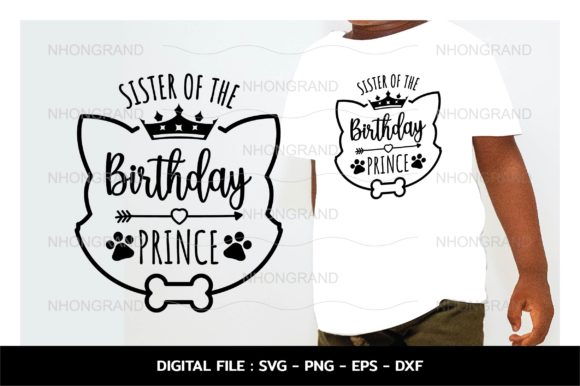
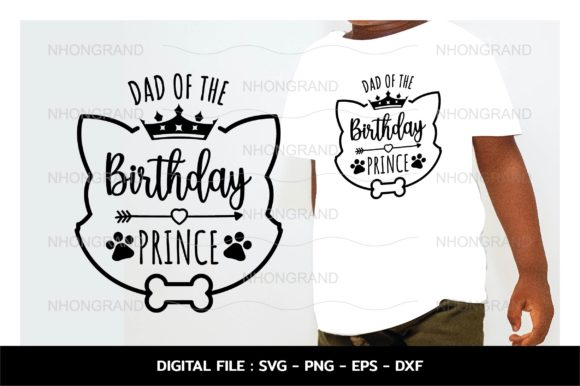
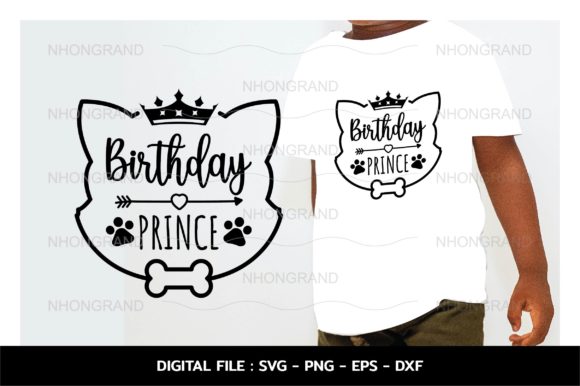
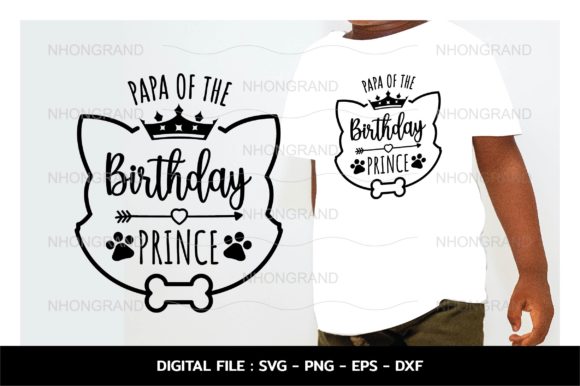
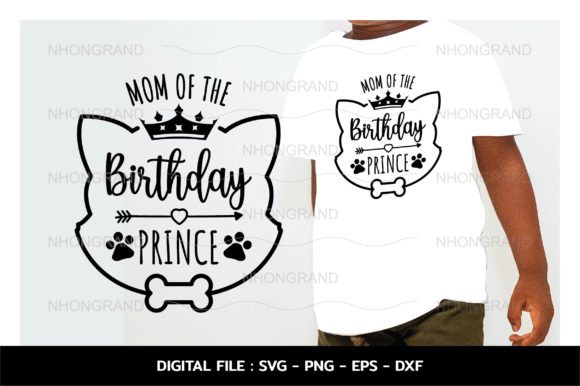
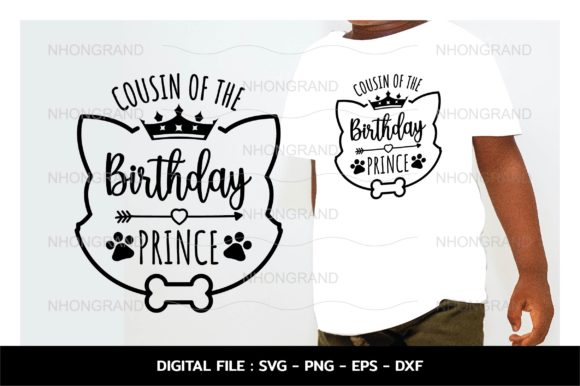
When I first opened the Cousin of the Prince Birthday and Bones design file, I was immediately struck by its playful yet heartfelt mood. This is not a generic dog graphic. It reads like a small tribute, the kind of detail you add when a project is meant for someone who genuinely loves their dog like family. The footprint motif paired with birthday and bone accents creates a celebratory but grounded feel. It is friendly without being cartoonish, and personal without being overly sentimental. As someone who reviews embroidery files for real stitching projects, I can tell you that this design hits a sweet spot between whimsy and wearability.
Listed under Crafts and Graphics, the file comes as an SVG, PNG at 3000x3000 pixels with 300 DPI and a transparent background, plus EPS and DXF formats. That variety alone tells me the designer understood that embroiderers and digital crafters work across different tools. Whether you are loading it into embroidery software, cutting it on a Cricut for an applique base, or using the PNG for a printable mockup, you have what you need. But the real question is how this design performs once it leaves the screen and hits fabric.
A Design That Feels Personal and Project-Ready
The mood of Cousin of the Prince Birthday and Bones is warm and occasion-driven. It is built for celebration but not the loud, party-hat kind. It is the kind of design you reach for when a customer says, "I want something for my dog's birthday" or "I need a gift for the dog lover who has everything." The footprints suggest movement, loyalty, and companionship. The bones add a clear canine signature. Together, they create a motif that feels personal without being cluttered.
From a layout perspective, the design reads well at a glance. The footprint shapes are distinct enough to hold their own in a satin stitch or fill stitch, and the bone details offer a natural place for contrast thread colors. The overall composition is balanced without being rigid, which gives it a handmade, approachable quality. That is important for crafters and small business owners who want their finished products to feel authentic, not mass-produced.
Real Embroidery Performance: What You Can Expect Under the Needle
I tested this design on a mid-weight cotton sweatshirt and a canvas tote bag, two staple items for any custom apparel or personalized gift business. The footprint shapes stitched out cleanly with a well-spaced satin stitch, holding their form without Puckering. The bone details, which are smaller and more intricate, benefited from a slightly tighter stitch density but still read clearly from a conversational distance.
For machine embroidery, the design works well as a standalone piece on the chest of a sweatshirt or centered on a tote bag. It also works as a decorative accent on a baby blanket, a pillow cover, or even a cap if you reduce the size carefully. The footprint trail has a natural flow that draws the eye across the fabric, which makes it engaging for both the wearer and the viewer.
One thing I appreciated is that the design does not rely on extremely thin lines or tiny details that would vanish in a fill stitch. The key elements are bold enough to read well on textured fabrics like fleece, terry, or even a structured apron. If you are planning to stitch this on a tea towel or a kitchen towel, I recommend testing a small sample first to ensure the fabric weave does not swallow the finer bone shapes.
Where This Design Shines in a Product Line
For Etsy sellers and small shop owners, Cousin of the Prince Birthday and Bones is a natural fit for a dedicated dog-lover collection. It works beautifully on a custom embroidered tote bag for a dog birthday gift, a sweatshirt for a "dog mom" or "dog dad" listing, or a set of handmade pillow covers for a pet-themed nursery. The design also lends itself well to holiday embroidery if you pair it with seasonal thread colors. Imagine a red or green footprint trail for a Christmas gift, or pastel bones for an Easter basket.
Because the design is available as an SVG and DXF, you can also use it for applique designs. Cut the footprint shapes from contrasting fabric, layer them onto a base, and stitch around the edges with a satin stitch. This adds texture and dimension to your finished product, which is a selling point for boutique merchandise and craft fair products. The PNG with a transparent background at 300 DPI is also useful for printable mockups, allowing you to create professional product previews without stitching every sample.
For commercial embroidery, this design is versatile enough to work on caps, aprons, and even baby clothes. The footprint trail can be scaled to fit a small hoop size for a cap front or a larger hoop for a back-of-jacket placement. The key is to test the scale before committing to a production run. A design that works at 4 inches wide may not hold the same detail at 2 inches.
Caution Zones: When to Think Twice Before Stitching
No design is perfect for every surface, and Cousin of the Prince Birthday and Bones has a few areas that deserve attention. The bone details, while charming, can become muddy if stitched too small. I recommend a minimum height of around 2.5 to 3 inches for the full design to ensure the bones read as bones and not blobs. If you are working with a small hoop size or a curved surface like a cap, test the design at your intended size first.
On stretchy fabrics like lightweight jersey or ribbed knit, the footprint shapes may distort if the stabilizer is not adequate. Use a cutaway stabilizer for stretchy garments and a tearaway for stable wovens. If you are stitching on dark fabric, choose thread colors that offer strong contrast. A light gray or white footprint on a black sweatshirt will pop beautifully. A dark brown on navy will disappear.
Dense stitch areas are not a major concern with this design, but if you plan to layer it with other elements, watch for thread buildup. The design is clean enough to stand alone, which is how I recommend using it for most projects. If you add text or additional motifs, leave enough breathing room around the footprints so the overall composition does not feel cramped.
How This Design Affects Product Value and Customer Trust
From a buyer's perspective, a well-stitched version of this design signals that the maker paid attention to detail. The footprint trail is recognizable and emotionally resonant. Customers who see it on a tote bag or sweatshirt immediately understand the thought behind the gift. That emotional connection translates to higher perceived value, which supports better pricing for handmade products.
For small business owners, using a design that stitches cleanly and reads clearly reduces the risk of returns or complaints. A muddy footprint or a broken bone shape due to poor digitizing or incorrect hoop size can damage customer trust. But with proper testing, this design delivers a professional finish that reinforces your brand as reliable and thoughtful.
In terms of giftability, Cousin of the Prince Birthday and Bones is a strong choice for personalized gifts. It works for dog birthdays, adoption anniversaries, or simply as a "thinking of you" item for a dog lover. The design is specific enough to feel custom but general enough to appeal to a wide audience. That balance is hard to find in many embroidery files.
Practical Designer Notes Before You Stitch
Before you load this file into your machine, here are a few steps I recommend based on my experience reviewing embroidery designs for real use. First, test the design on scrap fabric that matches your final garment. Check thread color contrast against your fabric background. A black and white mockup can help you see whether the design reads as a unified shape or gets lost in the fabric.
Second, review the stitch density if your embroidery software allows you to adjust it. The design should be dense enough to cover the fabric but not so dense that it causes puckering or thread breaks. If you are using a fill stitch for the footprints, make sure the underlay is appropriate for your fabric type. For textured fabrics like fleece, a heavier underlay helps the design sit flat.
Third, confirm the hoop size you plan to use. The design is versatile, but scaling it too small or too large can affect the proportions of the bones relative to the footprints. Test at your intended size before stitching a production run. If you are selling finished products, stitch one sample first and photograph it for your listings. That real-world image will perform better than any mockup.
Finally, check the licensing terms for the design. The product listing includes instant download for SVG, PNG, EPS, and DXF files, but if you plan to use it for commercial embroidery or sell finished items, confirm that the license allows that. This is a step many crafters skip, but it protects your business and your customers.
Final Thoughts on the Cousin of the Prince Birthday and Bones
After spending time with this design, I can say confidently that it belongs in the library of any embroidery designer, small business owner, or creative entrepreneur who works with dog-themed products. It is not a throwaway graphic. It is a thoughtful, well-constructed motif that earns its place on everything from custom apparel to personalized gifts. The footprint trail is engaging, the bone details add character, and the overall composition is flexible enough to work across multiple product categories.
If you are an Etsy seller looking to expand your dog-lover collection, or a hobbyist maker who wants to stitch something special for a friend, Cousin of the Prince Birthday and Bones is a design worth your time. Test it, trust it, and let it help you create something your customers will actually want to wear, carry, or gift. That is the kind of design that keeps a craft business growing.