Review: Labrador Retriever Face
There is a particular confidence in a well-built silhouette, and Labrador Retriever Face captures that steady, loyal presence that makes this breed a perennial favorite. As someone who has spent years digitizing and stitching out designs for client projects, my first instinct when I see a vector like this is to evaluate how it survives the transfer from screen to fabric. This particular dog SVG walks a smart line between decorative detail and practical stitchability. It feels equally at home in a rustic Crafts project and a polished Graphics lineup. If you run a small shop or create handmade products for dog lovers, this is a design worth considering from a practical embroidery standpoint.
First Look at Labrador Retriever Face
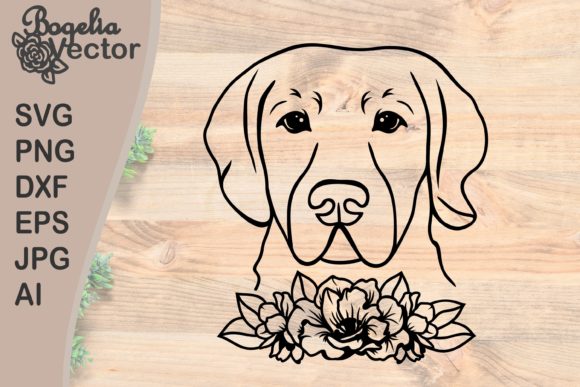
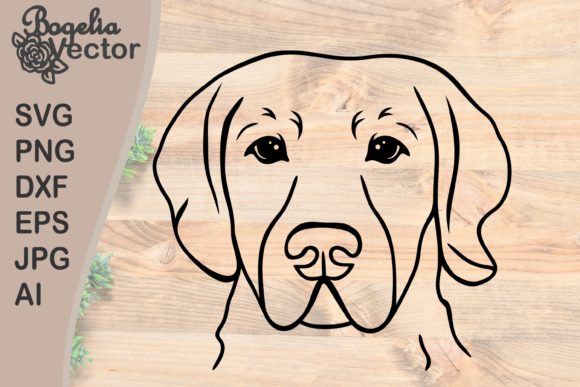
The mood here is warm and approachable. The Labrador silhouette reads clearly, with a gentle expression in the eye and a strong, balanced jawline. The shape avoids unnecessary complexity while still giving you enough visual interest to feel like a finished illustration, not just a basic outline. Because it is a vector cut file, it gives you flexibility to scale it up or down depending on your project needs. Whether you plan to use it as a machine embroidery design, an applique template, or a screen print, the core personality of the breed holds together nicely. It does not try to do too much, and that restraint is exactly what makes it valuable for real production work.
Real-World Embroidery Performance
I recently stitched out Labrador Retriever Face for a client who wanted a custom embroidered tote bag as a holiday gift for a Labrador owner. I also tested it on a mid-weight sweatshirt to see how it handled a garment setting. The design translated smoothly into an embroidery file because the vector paths were clean and the detail level matched what a standard home or commercial machine can handle well.
With the right digitizing, the silhouette can use a combination of satin stitch for the outer edge and a light fill stitch for the interior shape. This gives it a crisp, professional finish without excessive stitch density that could distort softer fabrics. The overall layout is compact enough that it fits comfortably in a mid-range hoop size, which is a major advantage if you are stitching left chest placements on custom apparel. The design stitches out efficiently, meaning less downtime and more consistent quality across multiple units.
Stabilizer and Fabric Notes
Because this is a solid silhouette, you need to consider how the fabric texture interacts with the thread. On a smooth cotton tote or a linen apron, the shape stays sharp with a medium-weight cut-away stabilizer. On stretchy fabrics like a tri-blend t-shirt, I recommend a firmer stabilizer to prevent the fill stitch from puckering. Testing on scrap fabric first is not optional here; depending on the thread color you choose, the silhouette can either pop beautifully or get lost if the contrast is too low. Gold thread on a dark green background works well. Black thread on a navy sweatshirt will require a lighter underlay to remain visible.
Where Labrador Retriever Face Excels in Production
This design fits naturally into several product categories that are consistently profitable for Etsy sellers and small shop owners. The clean shape makes it a strong candidate for personalized gifts and handmade merchandise that feels intentional rather than generic.
- Custom Apparel: Left chest on a polo or sweatshirt looks professional and understated. Center back on a denim jacket or hoodie gives it a bolder presence without feeling loud.
- Accessories: Tote bags, aprons, and tea towels benefit from the larger canvas. The silhouette works beautifully as a standalone design or paired with text.
- Embroidered Patches: Because the shape is cohesive, it patches out cleanly. You can trim close to the satin border and apply it to backpacks, dog beds, or hats.
- Holiday and Pet Gifts: This is a natural fit for personalized memorial gifts or holiday presents for dog owners. The universal recognition of the Labrador face adds emotional value to the finished product.
- Craft Fair Merchandise: If you sell at markets, having a recognizable breed design on a pillow cover or sweatshirt embroidery draws immediate attention from dog-loving customers.
Key Considerations Before You Stitch
Every experienced embroiderer knows that a design that looks perfect on screen can behave differently under the needle. Here is what I checked before committing Labrador Retriever Face to a production run.
- Check the vector source: Ensure the SVG is clean before digitizing. Even small jagged points in the original can cause stitch direction problems. A clean vector means a smoother digital embroidery file.
- Stitch density review: After digitizing, examine the density. A silhouette like this should not need excessive stitches. If it feels dense, simplify the fill pattern or increase the step-over slightly to reduce thread buildup.
- Thread color selection: Test at least two color options. A light thread on dark fabric creates a striking modern look. A dark thread on a light garment feels more classic. Avoid low-contrast combos that wash out the face shape.
- Hoop size compatibility: Confirm the size fits your hoop before cutting fabric. The design works well in a 4x4 hoop for small placements, but you can scale it up for larger center chest or back placements if your machine allows.
- Fabric handling: For lightweight fabrics, use a tear-away or water-soluble stabilizer on top to prevent the thread from sinking into the weave. For knits and stretch fabrics, a firm cut-away is non-negotiable.
- Licensing and commercial use: If you are an Etsy seller or creative entrepreneur, confirm the licensing terms for the original vector. Understand whether you can sell the finished product and whether you are allowed to sell the digital file itself. This protects your business and your customer relationships.
Testing on Challenging Surfaces
I also ran a test on a curved cap surface to see how the design handled a structured frame. Labrador Retriever Face performed well because it does not rely on tiny, delicate details that would distort on a curve. If you are adding it to a cap, keep the size moderate and use a firm cap frame to stabilize the fabric. The same principle applies to baby onesies and performance wear. Because the design has a solid fill, you must ensure the fabric is adequately supported to avoid tunneling or registration shifts.
Value for Your Craft Business
From a business perspective, this design gives you a reliable asset for commercial embroidery and handmade product lines. It appeals directly to dog owners, which is a large and engaged market. When stitched cleanly, the silhouette elevates the perceived value of the custom apparel or accessory. Customers perceive it as a professional, intentional piece rather than a mass-produced graphic. That perception builds trust and encourages repeat purchases for your small shop.
For handmade shop owners, having a breed-specific design like this also allows you to create targeted listings. You can pair it with personalized text, offer it on multiple garment colors, and market it as a thoughtful gift for Labrador owners. The versatility of the vector means you can also use it for printable mockups, social media previews, and listing photography before you stitch a single piece. That saves time and helps you gauge customer interest before committing to inventory.
Final Practical Notes
Labrador Retriever Face is not a design that tries to impress you with complexity. Instead, it impresses with reliability and commercial flexibility. It works across a wide range of embroidery projects, from baby embroidery on a soft onesie to a bold tote bag design for a boutique market. It stitches cleanly, maintains its shape on different fabric textures, and gives you a strong foundation for building a product line around dog-themed design assets.
If you are an apparel decorator or craft business owner looking for a breed design that will serve you reliably across multiple seasons and product types, this is a solid addition to your library. Just follow the standard preparation steps: test your thread colors, choose the right stabilizer, and confirm your licensing. When you do, the finished product will speak for itself.