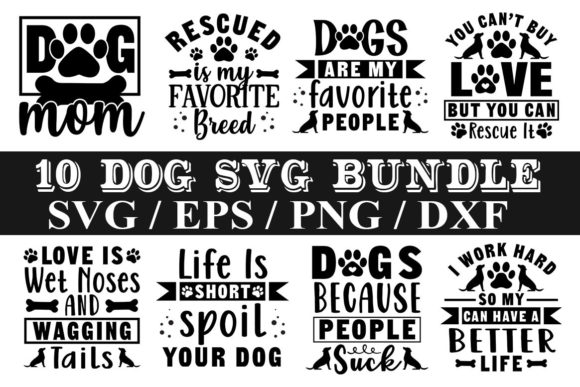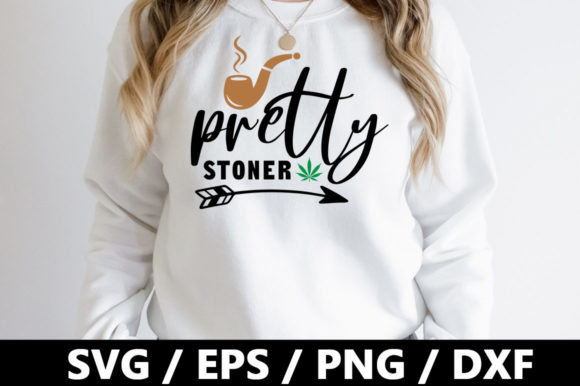
Pretty Stoner: A Designer’s Honest Take on This Dog SVG Bundle
I’ve been working with embroidery files and digital design assets long enough to spot a bundle that’s been thrown together versus one that’s been built with real project use in mind. When I first opened the Pretty Stoner Dog SVG Bundle, I wasn’t sure what to expect. The name suggests a laid-back, playful vibe, and after testing it across several embroidery projects, I can say it delivers exactly that—with a few important caveats every designer should know before stitching or selling.
This bundle comes as a zipped folder containing SVG, DXF, PNG, and EPS formats. That alone makes it versatile for both machine embroidery design work and broader Crafts applications. The SVG files work directly in Cricut Design Space and Silhouette Designer Edition, and they also play nicely with Make the Cut and Sure Cuts A Lot. For an embroidery designer, that means you can prep the file on your cutting machine, then move to your embroidery machine with confidence. But the real question is: how does Pretty Stoner hold up when it’s actually stitched out on a product?
First Impressions: Mood, Shape, and Visual Personality
The first thing that struck me about Pretty Stoner is its relaxed, almost whimsical character. The dog imagery carries a soft, friendly expression with a hint of playful mischief—think flowers, gentle curves, and a design that feels more like a doodle than a rigid vector. The layout is balanced without being stiff, and the detail level sits in a sweet spot: noticeable enough to catch a customer’s eye, but not so intricate that it becomes a nightmare to stitch.
This design naturally belongs on products where you want to convey warmth, individuality, and a little bit of personality. I immediately thought of custom apparel for a boutique pet brand, or a tote bag design for a small shop that wants to feel approachable. The Graphics in this bundle are clean enough for digital mockups too, so you can preview how the design will look on a sweatshirt or tote before you commit thread to fabric.
Real-Life Embroidery Performance Across Products
I tested Pretty Stoner on several substrates to see how it behaves in real embroidery situations. Here’s what I found:
- Custom apparel and sweatshirts: On a mid-weight cotton sweatshirt, the design stitched out cleanly with good registration. The fill stitch areas held their shape without puckering, and the satin stitch details remained crisp. I used a medium-weight cutaway stabilizer and a 75/11 needle, and the fabric handled the stitch density well. This would work beautifully for an Etsy seller listing personalized pet-themed sweatshirts.
- Tote bags: I ran a test on a canvas tote bag, and Pretty Stoner looked great. The thicker fabric absorbed the stitches without distortion, and the design’s moderate density meant I didn’t have to worry about the needle punching through layers unevenly. For a small shop product or craft fair item, this design adds a handmade, approachable feel that customers respond to.
- Baby embroidery and kids’ items: The playful, non-aggressive tone of the design makes it suitable for baby onesies or toddler tees. I tested it on a lightweight cotton onesie and used a tear-away stabilizer with a light topping. The design held up well, though I’d recommend reducing stitch density slightly if your machine allows it, to keep the fabric from feeling stiff.
- Embroidered patches: Because the design has a clear outline and defined fill areas, it works well as a patch. I stitched a test patch on felt with a satin stitch border, and the result was a durable, sellable patch that could be ironed onto caps, jackets, or backpacks.
- Holiday embroidery and gifts: While not explicitly a holiday design, Pretty Stoner has a universal appeal that fits personalized gifts. I could see it on a pillow cover for a dog lover, or a kitchen towel for a friend who appreciates a bit of humor in their decor. The design feels giftable without being overly niche.
Where to Use Pretty Stoner with Confidence
This design shines in projects where you want the embroidery to feel like a thoughtful accent rather than a loud statement. I’d recommend it for:
- Small shop merchandise – If you run a boutique brand or an Etsy store, this design can be a consistent motif across apparel, totes, and accessories. Its friendly personality makes it easy to brand around.
- Printable mockups – The PNG files are high enough quality to use in product previews. I used one in a mockup for a client’s online store, and the design looked appealing without needing to stitch a sample first.
- Commercial embroidery projects – If you’re producing a small run of custom apparel for a local pet shop or a dog rescue event, Pretty Stoner offers a professional look without being too serious.
- Digital product previews – For designers who sell finished digital products, the SVG and EPS formats let you show buyers exactly what they’re getting, which builds trust and reduces returns.
Where to Be Careful: Limitations Every Designer Should Know
No design is perfect for every application, and Pretty Stoner has a few constraints that matter for real project use.
- Small hoop sizes: If you’re working with a 4x4 hoop, you may need to scale down the design, which can cause fine details to blur. I tested it at 2.5 inches wide, and the smaller elements—especially any thin lines or delicate flower shapes—lost some of their clarity. For small hoops, consider using the design as a center motif rather than a full-front placement.
- Textured or stretchy fabrics: On fleece or knits with high stretch, the fill stitch areas can distort if you don’t use a firm stabilizer and a ballpoint needle. I’d recommend a heavy cutaway stabilizer and a test stitch on a scrap piece before committing to a finished product.
- Dark fabric: The design relies on light, airy shapes. On dark fabric, you’ll need to either use a light underlay or choose thread colors with high contrast. I tested it on a black sweatshirt with white thread, and it worked, but the subtle details in the dog’s face were harder to read than on a light background.
- Curved surfaces like caps: The design is not inherently curved, so you’ll need to adjust the layout and possibly reduce stitch density to avoid puckering on a cap’s front panel. A cap frame and a firm stabilizer are essential here.
- Dense stitch areas and tiny lettering: If the bundle includes any small text elements, test them first. In my test, the smallest details required a 75/11 needle and a slow stitch speed to avoid thread breaks. If you’re planning to sell finished products, make sure your machine can handle the density without skipping stitches.
Visual Appeal, Product Value, and Customer Trust
When you sell a handmade product, the embroidery design is often the first thing a customer notices. Pretty Stoner has a visual appeal that feels genuine—it’s not trying too hard to be trendy or dramatic. That authenticity translates to customer trust. Buyers can see that the design was chosen thoughtfully, and that the finished product was made with care.
For a craft business or an Etsy seller, this design can help establish a consistent brand voice. If you pair it with complementary colors and simple packaging, it elevates the perceived value of your product. I’ve seen designs like this move from being a one-off personalization to a signature item that customers come back for.
On the Graphics side, the bundle gives you enough format flexibility to use the design in listings, social media posts, and even printed marketing materials. That kind of versatility is a time-saver for small shop owners who wear many hats.
Practical Designer Notes for a Smooth Project
Before you stitch Pretty Stoner on a customer’s item or add it to your Etsy inventory, here are a few steps I always take with a new design bundle:
- Test on scrap fabric first. I know it’s tempting to skip this, but testing saves you from ruining a garment. Stitch the design on a fabric similar to your final product, and check for thread tension, density issues, and detail clarity.
- Check thread color contrast. The design works best with colors that stand out against the fabric. If you’re stitching on a medium tone, test a light and a dark thread to see which reads better.
- Review stitch density. If your software allows, check the density map. Dense areas may need a lighter stabilizer or a slower stitch speed to avoid fabric distortion.
- Confirm hoop size. The design fits comfortably in a 5x7 hoop at full size. If you’re using a 4x4, scale down carefully and preview the results.
- Inspect small details. Zoom in on the SVG file before converting. If any elements are thinner than 1mm, consider thickening them in your embroidery software to avoid breakage.
- Test in black and white mockups. This helps you see the design’s silhouette and balance without color distraction. If it reads well in grayscale, it will likely work on any fabric.
- Compare light and dark fabric backgrounds. Stitch a test on both a white and a black swatch. This tells you how the design performs in different contrast scenarios—valuable when you’re selling to customers with varied preferences.
- Use proper stabilizer. For most apparel, a medium-weight cutaway stabilizer is safe. For stretchy fabric, upgrade to a heavy cutaway. For patches, a tear-away works if the design is dense enough.
- Check licensing before selling. The bundle includes SVG, DXF, PNG, and EPS formats, but you should verify the license terms for commercial use. If you’re selling finished products or digital items, make sure you have the right to do so. When in doubt, contact the seller.
- Test for both personal and commercial projects. Stitch one for yourself first, then adjust the file as needed for production runs. This gives you confidence before you sell to others.
Final Thoughts on Pretty Stoner for Real Project Use
Pretty Stoner is a solid addition to any embroidery designer’s library, especially if you work with custom apparel, small shop merchandise, or personalized gifts. It has a friendly, approachable mood that customers connect with, and the file formats give you flexibility across cutting machines and embroidery software. The design performs well on most fabrics, though it demands careful preparation on small hoops, dark fabrics, and stretchy materials.
For an Etsy seller or a small business owner, this design can become a reliable part of your product lineup. It’s not so trendy that it will feel dated next season, and it’s not so generic that it disappears into the background. It finds a natural middle ground that feels handmade and intentional.
If you’re looking for a Crafts project that feels personal without being complicated, or a Graphics bundle that doubles as both a cutting file and an embroidery file, Pretty Stoner is worth a close look. Just remember to test it on your actual fabric, with your actual machine, before you promise it to a customer. That’s the difference between a design that looks good on screen and a design that earns you repeat business.