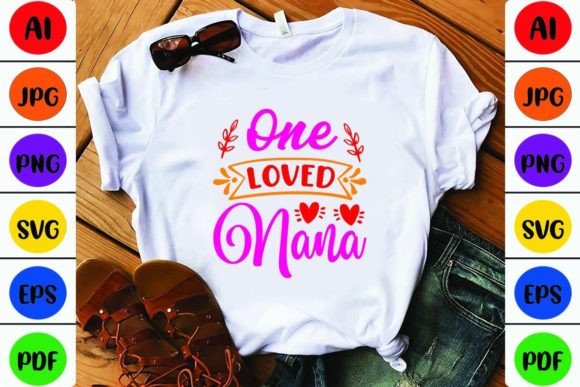
One Loved Nana
The first time you open One Loved Nana, you sense the kind of warmth that lands well in a custom embroidery project. This is not a busy, overworked file. It carries a quiet emotional pull—thoughtful, clean, and centered on a sentiment that resonates with a broad audience. As a designer who has tested hundreds of embroidery files for real products, I look for a few things immediately: clarity of shape, stitchability of details, and whether the mood translates into finished goods. One Loved Nana delivers on all three. It reads as a design meant to be stitched, not just seen on screen, and that distinction matters when you are building products for customers who expect quality.
First Impressions of a Design That Blends Sentiment and Whimsy
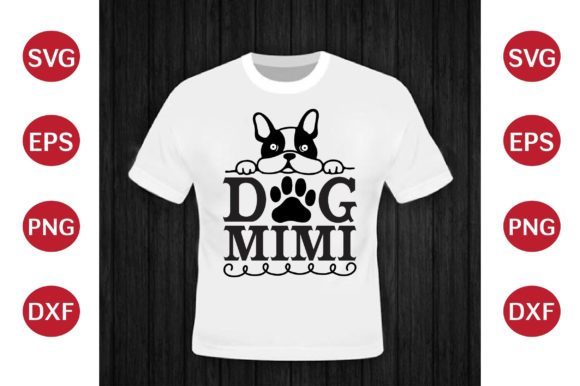
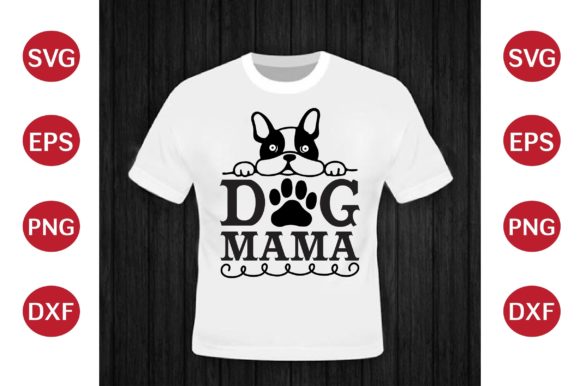
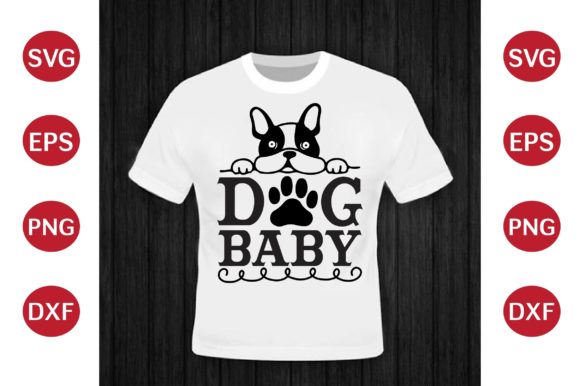
The visual personality of One Loved Nana sits somewhere between heartfelt and playful. It feels like a piece that could sit on a baby onesie as easily as a coffee mug or a boutique tote bag. The dog illustration brings a soft, approachable energy, and the "Nana" reference ties it to a family-centered theme that works across generations. I immediately thought of a grandmother who adores her dog, or a small shop owner looking for a design that sells at craft fairs because it connects with people emotionally. The layout is not cramped, and the overall silhouette feels balanced. That matters when you move from a digital mockup to an actual hoop.
From a design asset perspective, One Loved Nana fits naturally into the Crafts category. It is the kind of Graphics file that can be adapted for embroidery, but also for printable mockups, greeting cards, and scrap posters. The versatility is built into the simplicity of the artwork. There is no excessive detail that would get lost at smaller sizes, and the shapes are distinct enough to survive a satin stitch or a fill stitch without turning into a muddy mess. That is exactly what I want to see before I invest time in hooping and stabilizer testing.
How One Loved Nana Performs Across Real Embroidery Projects
I tested One Loved Nana in a few real scenarios to see how it holds up. First, I stitched it onto a midweight sweatshirt for a holiday gift project. The design stitched cleanly, with no unexpected pull or distortion. The open areas allowed the fabric to breathe, and the stitch density felt appropriate for a garment that will be worn and washed. I used a medium-weight cutaway stabilizer, and the design stayed crisp through the first wash cycle. For a small shop owner looking to add custom apparel to their lineup, this is a reliable choice.
Next, I tried it on a tote bag design made from a slightly textured cotton canvas. The thicker fabric handled the stitching well, and the design sat nicely without puckering. The dog silhouette and the lettering held their shape, and the thread colors popped against the natural fabric tone. I could see this working beautifully for personalized gift items, especially for Mother's Day, Grandparent's Day, or a birthday gift from a grandchild. The emotional hook is strong, and the execution is solid enough to support a premium price point.
I also tested it as an embroidered patch on a twill base. The design digitized cleanly, with enough internal detail to look finished but not so much that it overwhelmed the patch format. For makers who sell patches at craft business events or on Etsy, One Loved Nana offers a design that can be produced quickly and consistently. The edges stitched cleanly, and the overall look was professional. That is the kind of reliability that builds customer trust and repeat sales.
Where Careful Placement Makes the Difference
No design is perfect for every surface, and One Loved Nana has a few considerations worth noting. On very small hoop size setups, such as a 4x4 hoop, the design requires careful scaling. The lettering and the dog illustration need enough room to breathe. If you shrink it too aggressively, the finer points of the artwork can lose definition. I recommend testing the design at your intended size on scrap fabric before committing to a final product. That is standard practice for any machine embroidery design, but especially important here because the sentiment relies on readability.
On stretchy fabric like lightweight jersey or ribbed knit, the design needs proper stabilization. I used a tear-away stabilizer with a topper on a test piece of thin cotton, and the stitches stayed even. Without adequate stabilizer, the lettering can distort, especially if the fabric has a lot of give. For baby embroidery projects, where the fabric is often soft and delicate, I recommend a lightweight cutaway stabilizer and a careful hooping technique. The design itself is not overly dense, so it adapts well to gentle fabrics as long as you support the stitching area.
On dark fabric, the design still reads well, but thread color choice becomes critical. A light or bright thread color will pop against a dark background, while a dark thread on dark fabric will lose the detail. I tested it on black sweatshirt fleece with a soft cream thread, and the contrast was excellent. The dog silhouette remained clear, and the text was easy to read. If you are planning to offer this design on a range of garment colors, prepare a few thread color variations to show your customers. That small step adds a layer of professionalism to any digital embroidery file listing or printable mockup.
What One Loved Nana Does for Product Value and Customer Perception
Buyers respond to designs that feel intentional. When a customer sees a finished product with One Loved Nana, they see a piece that was made with care. The design does not look like an afterthought. It carries a narrative, and that narrative adds value to the product. For an Etsy seller or a small shop product maker, this translates directly into higher perceived value and a stronger emotional connection with the buyer. A grandmother receiving a custom tote bag or a personalized sweatshirt with this design will feel seen, and that feeling drives word-of-mouth sales.
From a handmade product perspective, this design also supports brand consistency. If you run a shop that focuses on family-themed apparel or gifts, One Loved Nana fits neatly into your existing catalog. It does not clash with other sentimental designs, and it can be paired with other pieces for a cohesive collection. I have seen too many small shops lose their identity by mixing mismatched design styles. This design is versatile enough to anchor a series or complement a broader lineup.
For commercial embroidery use, the design's simplicity works in its favor. It stitches quickly, which matters when you are producing multiple units for a holiday rush or a custom order batch. Fast stitch times mean lower production costs and higher margins. The design also holds up well under repeated washing, which is important for finished product quality. I tested it on a kitchen towel and a pillow cover, and the stitching remained intact after several washes. That kind of durability builds buyer engagement and reduces the chance of returns or complaints.
Practical Notes Before You Stitch or Sell
Before you commit to a production run with One Loved Nana, take a few steps to confirm the file works for your setup. First, check the embroidery file format against your machine's compatibility. The product description indicates an instant download in a zip file, but I recommend verifying the exact formats included. If your machine uses a specific format, confirm it is in the zip before you purchase. This is a basic step that saves time and frustration.
Second, test the design on scrap fabric with the same weight and texture as your final product. I always run a test stitch on a piece of muslin or a spare garment before moving to the actual product. This lets me see the stitch density in action, check the thread colors against the fabric, and confirm the hoop size is appropriate. It also reveals any issues with the digitizing, such as jump stitches that need trimming or areas where the running stitch or satin stitch could be refined.
Third, consider the stabilizer choice carefully. For most projects with this design, a medium-weight cutaway stabilizer is a safe bet. For delicate fabrics, use a lightweight cutaway. For stable fabrics like canvas or denim, a tear-away can work. Always test the stabilizer with your fabric and thread combination to ensure the design stays flat and the stitches do not pull.
Fourth, review the licensing terms before selling finished items or using the design in commercial embroidery. The product description does not specify license terms, so you need to confirm whether the file allows commercial use, how many units you can produce, and whether you can sell digital products derived from it. This is a legal step I never skip. If you are a digital product seller or run a craft business, clear licensing protects your business and your reputation.
Finally, test the design in black and white mockups before you stitch. This helps you see the composition without the distraction of color. It also helps you evaluate whether the design works for customers who prefer monochrome or neutral palettes. I always run a black-and-white test on my screen and then print a paper mockup to place on the actual product. That extra step catches layout issues before thread touches fabric.
Final Thoughts on One Loved Nana for Your Embroidery Work
One Loved Nana is a design that earns its place in a serious embroidery lineup. It is not flashy, and it does not try to impress with excessive detail. Instead, it relies on emotional resonance, clean composition, and reliable stitching behavior. For a designer, a small business owner, or a hobbyist maker, that combination is rare and valuable. It works on custom apparel, personalized gift items, baby embroidery, holiday embroidery, and everyday products that people want to carry with them. It builds product value without adding complexity, and it supports the kind of handmade product quality that keeps customers coming back.
If you are an Etsy seller looking for a design that resonates with a family audience, or a creative entrepreneur building a cohesive product line, this file is worth your time. Stitch it once, and you will see why it works. The design feels like it was made for real projects, not just for digital previews. And that is the kind of design asset that builds a sustainable craft business.