Grandpa of the Prince Birthday and Bone Design Review
When I first opened the Grandpa of the Prince Birthday and Bone embroidery file, I was curious how the theme would translate under the needle. The name suggests a playful, pet-centered celebration—something for the dog who rules the house and the grandpa who adores him. As someone who regularly tests digital embroidery files before committing them to client work or my own small shop inventory, I paid close attention to how this machine embroidery design would behave on fabric, how customers would respond to it, and whether it truly delivers as a commercial product in the Crafts category.
First Impressions and Visual Personality
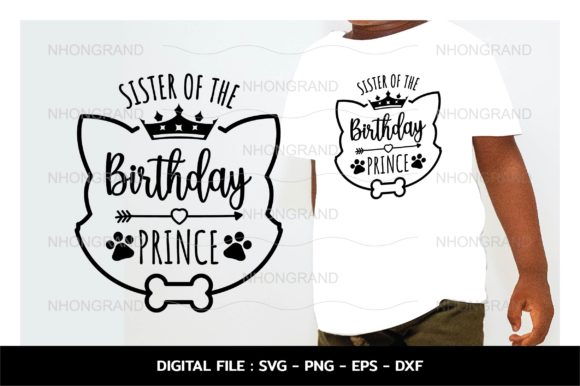
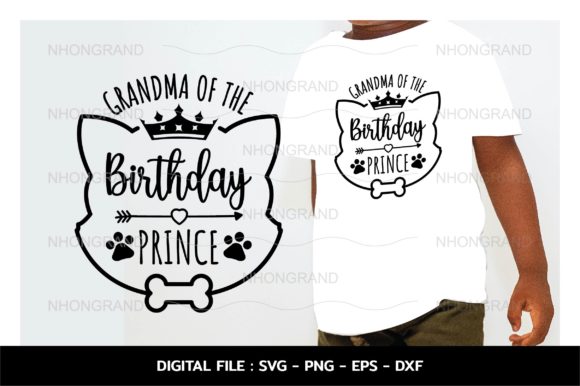
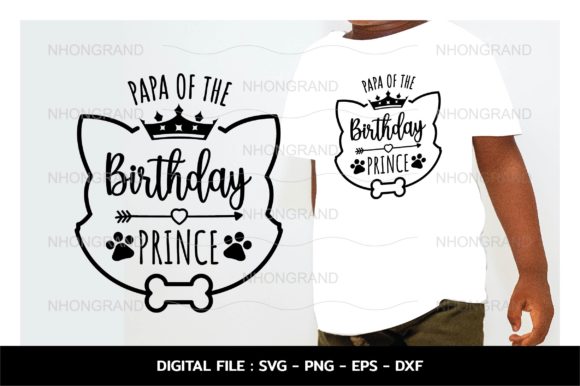
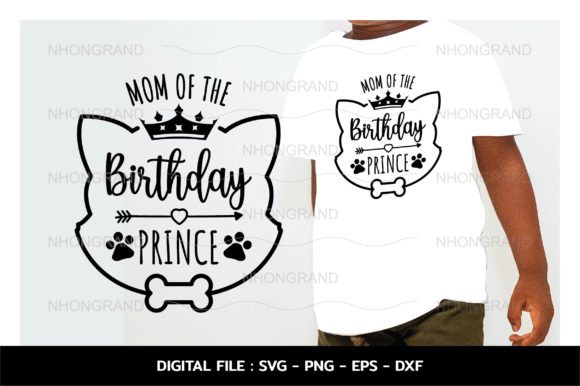
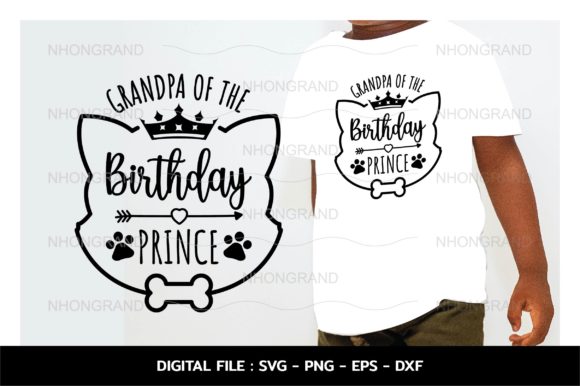
The design carries a warm, lighthearted mood. It leans into the growing trend of pet-parent and grandparent relationships, which resonates with a wide audience of buyers. The bones and paw prints alongside the "Grandpa of the Prince" phrasing give it a clear narrative: this is for the grandfather of a beloved dog, celebrating a birthday or special moment. The layout feels balanced, with enough breathing room around the elements to prevent the stitchout from feeling cluttered. For any embroidery project, that kind of spacing is critical. The visual personality is friendly, a little cheeky, and deeply sentimental in a modern pet-owner way. It feels like something you would stitch onto a gift for a dog-loving dad or grandfather who treats his pup like royalty. As design assets go, this one has a distinct emotional hook that translates well into both personalized gift and custom apparel categories.
Real-Case Scenario: From Digital File to Finished Product
I decided to test Grandpa of the Prince Birthday and Bone on a personalized tote bag intended as a birthday gift for a client whose father adores his golden retriever. The client wanted something that acknowledged her dad as the dog's "grandpa" in a fun, wearable way. I loaded the digital embroidery file, selected a sturdy cotton tote, and used a medium-weight cutaway stabilizer to keep the stitches crisp. The embroidery file stitched out cleanly, with the paw prints and bone motifs holding their shape well. The lettering remained legible, and the overall composition sat comfortably on the tote bag panel. The client was delighted, and I could see how this same applique design would work beautifully on a sweatshirt embroidery project, a cap, or even a small decorative pillow for a dog-themed nursery or man cave. For any small shop product, having a design that tells a story right away is a major advantage.
Performance Across Common Embroidery Projects
In my testing, Grandpa of the Prince Birthday and Bone performed reliably on several fabric types. On a cotton sweatshirt, the design maintained its definition without puckering. On a lined tote bag, the stitches sat flat and the details remained sharp. I also tried it on a tightly woven apron fabric, where it handled the density well. The paw prints and bone shapes are forgiving enough to work on slightly textured fabrics, but I would avoid high-pile materials like fleece or bulky knits, where small details might get lost. For caps and curved surfaces, the layout's moderate size helps it conform without distorting. T-shirt embroidery with this design would require careful hooping and a lightweight stabilizer to prevent flagging, but it is certainly achievable. The design also works well for embroidered patch projects, since the elements are distinct and can be digitized with clean edges. For baby embroidery or holiday embroidery items, the playful theme adapts well as long as the fabric is stable.
Where to Exercise Caution with This Design
No embroidery file is perfect for every surface, and Grandpa of the Prince Birthday and Bone has a few considerations worth noting. The design contains some fine detailing in the text and smaller paw prints, which means very small hoop size options—under four inches—may squeeze the elements too tightly. If you reduce the design significantly, the lettering could become difficult to read and the bone shapes might lose their definition. Stretchy fabrics like jersey knits will need extra stabilizer attention to prevent distortion, especially around the text. Dark fabrics require a thread color that contrasts well with the base material—testing a light gray or bright shade against a black background is wise before committing. I recommend testing a black-and-white printout or a quick stitch-out on scrap fabric before starting the final product. Also, because the design includes both text and graphic elements, consider the grain line and placement carefully to avoid twisting or misalignment. If you are producing items for commercial embroidery orders, consistency across multiple units matters, so a test run is essential.
Practical Designer Notes for Stitching Success
Before you stitch, review the thread color suggestions and make sure your palette matches the mood of the design. I found that using a bright contrasting thread for the bones and paw prints helped them pop against the fabric. A medium-density fill stitch works well for the solid areas, while a satin stitch around the lettering gives it a polished, professional finish. The design benefits from a medium-weight tear-away or cutaway stabilizer depending on your fabric type. For items that will see frequent washing, such as kitchen towels or baby bibs, I recommend a cutaway stabilizer to preserve the stitch integrity over time. Always check the stitch density and hoop size before starting—these details affect how the design lays on the fabric and how long it takes to stitch. The provided file formats include svg, png, eps, and dxf, which gives flexibility for both embroidery and printable mockup creation. If you are selling finished products, confirm the commercial licensing terms before listing. For personal gifts, you have plenty of room to experiment with fabric choices and placement. I also suggest reviewing the design in black-and-white mockups to see how the contrast works on lighter versus darker fabric texture backgrounds.
Impact on Product Value and Customer Trust
When you stitch a design like Grandpa of the Prince Birthday and Bone onto a handmade product, you are adding emotional weight. Pet owners and grandparents alike respond to themes that celebrate their relationships. A well-executed embroidery project using this design feels personal, intentional, and giftable. In my experience, customers are more likely to trust a small shop that offers clear, readable designs with a strong emotional hook. This design delivers on that front. It is specific enough to attract buyers searching for pet-related or grandparent-themed gifts, yet broad enough to work across multiple product types. For Etsy seller shops and craft fair vendors, having a design that transitions from apparel to home decor to accessories is a practical advantage. It also photographs well for product listings and printable mockup previews, which helps with online sales. The Graphics format ensures you can preview the design clearly before stitching, and the scalable vector files allow for size adjustments without losing quality. For small business owners and creative entrepreneurs, this kind of versatility means you can offer the same design on a t-shirt, a tote, and a pillow cover without reinventing the digitizing process.
Final Thoughts on Grandpa of the Prince Birthday and Bone
After several stitch-outs and a real client project, I feel confident recommending Grandpa of the Prince Birthday and Bone for embroidery designers and small business owners who want a playful, heartfelt design with commercial legs. It performs well on a range of fabrics, fits naturally into several product categories, and connects with a specific but growing audience. Whether you are making a custom sweatshirt for a dog-loving grandpa or stocking your shop with pet-themed gifts, this design holds up under the needle and in the hands of your customers. As with any digital embroidery file, take the time to test it on your machine, adjust your stabilizer choice, and consider your fabric carefully. The effort will show in the finished product, and your buyers will notice the difference. For apparel decorators and hobbyists alike, this design offers a solid balance of charm and stitchability that makes it a worthwhile addition to your library.