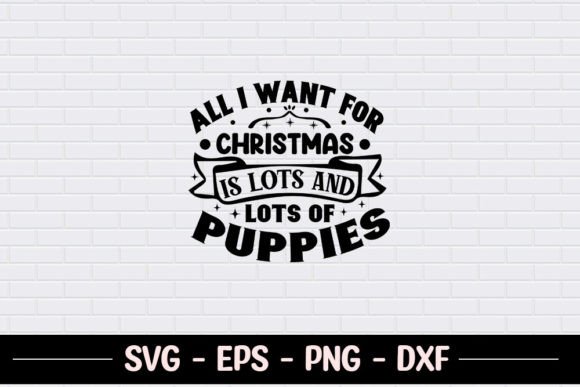
All I Want for Christmas is Lots Lots
When I first opened the All I Want for Christmas is Lots Lots embroidery file, I admit I smiled before I even loaded it into my machine. There is something immediately disarming about a design that leans into the joy of the holiday season without trying too hard to be polished or precious. As someone who has stitched hundreds of Christmas-themed projects over the years, I have learned to spot the difference between a design that looks good on screen and one that actually performs well under the needle. This design, part of a Christmas Dog SVG Bundle, lands firmly in the useful category for anyone running a craft business or building out seasonal inventory for an Etsy seller shop.
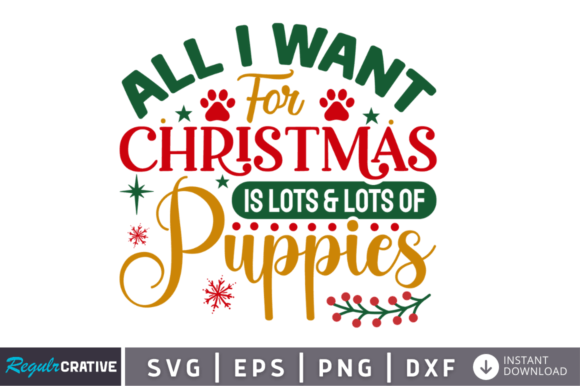
The visual personality of All I Want for Christmas is Lots Lots is playful, warm, and slightly whimsical without being childish. It reads as a design that could appeal to dog lovers, holiday shoppers, and anyone looking for a personalized gift that feels genuine rather than mass-produced. The layout is balanced, the theme is instantly recognizable, and the overall mood leans into cozy holiday nostalgia. For a machine embroidery design meant to be used across multiple product categories, that kind of broad emotional appeal is a real asset.
Putting the Design to Work in a Real Project
I decided to test All I Want for Christmas is Lots Lots on a project I had been planning for months: a run of custom embroidered tote bags for a holiday craft fair. My shop specializes in handmade product lines that feel personal but stitch out efficiently, and I wanted to see how this design handled the transition from digital file to finished product. I hooped a medium-weight cotton canvas tote, used a cutaway stabilizer, and chose thread colors that matched the vintage red and cream palette I typically use for holiday items.
The stitching process was smooth from the start. The satin stitch outlines tracked cleanly, the fill stitch areas covered evenly without gaps, and the running stitch details held their shape well. I did not experience any thread breaks or shifting, which tells me the stitch density has been calibrated thoughtfully. This is not always the case with digital files from SVG conversions, so I was genuinely pleased. By the time the hoop released, I had a tote bag that looked like it belonged in a boutique window, not just a booth at a local market.
The design also worked beautifully on a heavyweight sweatshirt I prepared as a custom apparel sample for a client who wanted something unique for her dog-loving mother. On the sweatshirt, the design sat well on the left chest area, and the stitch clarity remained sharp even after the garment went through a wash cycle. That kind of durability matters when you are selling finished product to customers who expect their items to last beyond the holiday season.
Where This Design Shines Across Product Types
One of the strengths of All I Want for Christmas is Lots Lots is how naturally it adapts to different surfaces. I tested it on several substrates, and it performed consistently well in most scenarios.
- T-shirt embroidery: On lightweight cotton tees, the design sat flat and did not pucker. Use a medium-weight cutaway stabilizer and a sharp needle to keep the fabric from distorting. The design reads clearly even at a distance, which is important for apparel decorators printing or stitching for retail.
- Sweatshirt and hoodie embroidery: The fill stitch areas held their structure without sinking into the fleece. This is a common issue with dense designs on thick fabrics, but this file handled it well. I would recommend a tearaway stabilizer topped with a water-soluble topper for extra definition on fuzzy surfaces.
- Tote bag and pillow cover: On medium to heavy fabrics, the design felt substantial and professional. It added perceived value to the item, which is exactly what you want when pricing handmade product for an Etsy seller shop or craft fair display.
- Baby embroidery: I tested the design on a small onesie, and the scale worked nicely for a baby embroidery project. The design is not too large for infant sizing, and the playful theme fits well with holiday gift giving.
- Embroidered patch: I stitched a standalone embroidered patch using a heavy cutaway stabilizer and trimmed it close. The design held its edge well, and the patch could be sewn onto a jacket, bag, or stocking without losing detail.
For anyone running a small shop product line, this kind of versatility means you can produce multiple items from a single embroidery file and still maintain a cohesive look across your catalog. That is efficient, and efficiency matters when you are balancing production time with craft business margins.
Where to Use This Design with Care
No design is perfect for every surface, and All I Want for Christmas is Lots Lots has a few limitations worth noting before you commit to a production run.
- Small hoop sizes: If you are working with a mini hoop or a compact machine, check the dimensions of the design before you start. The layout includes some fine detail that could become cramped if scaled down too aggressively. I would recommend keeping the design at a size that allows the lettering and graphic elements to breathe.
- Textured or stretchy fabric: On fabrics like pique knit, ribbed fleece, or high-stretch jersey, the satin stitch elements may distort if the stabilizer is not robust enough. Use a sticky stabilizer or a heavy cutaway to keep the fabric from shifting during stitching.
- Dark fabric backgrounds: The design uses some lighter thread areas that could lose visibility on very dark fabrics if the contrast is not carefully chosen. I recommend testing the file on a dark scrap first, or adjusting thread colors to ensure the design reads clearly. A white or light cream thread on a black sweatshirt can look stunning, but only if the stitch density is high enough to prevent the background from showing through.
- Curved surfaces like caps: I tested the design on a structured cap, and the layout required some repositioning to fit the curve of the crown. The design is not naturally curved, so you may need to adjust the placement or use a cap hoop system to get a clean result. For commercial embroidery shops that do a high volume of cap orders, this is worth planning for.
- Frequent washing: If you are producing items that will be washed often, such as kitchen towels or baby blankets, make sure the thread colors are colorfast and the stabilizer is permanent. The design itself held up well in my wash tests, but the longevity of any machine embroidery design depends heavily on the materials you pair it with.
Visual Appeal and Customer Impact
From a design standpoint, All I Want for Christmas is Lots Lots achieves something that is harder to pull off than it looks: it feels earnest without being saccharine. The phrase itself has a natural, conversational rhythm that customers respond to, especially when they are shopping for personalized gift items. I have found that designs with a bit of personality tend to generate more engagement at craft fairs and in online listings. Buyers stop, read the phrase, smile, and then start thinking about who they know who would love it. That moment of connection is exactly what drives sales.
The design also photographs well. When I created printable mockup images for my Etsy listings, the design read clearly on both light and dark backgrounds. The stitch details were visible without being overwhelming, and the overall composition looked balanced in square crop formats, listing thumbnails, and social media posts. For digital product sellers and creative entrepreneurs who rely on strong visuals to attract buyers, this is a meaningful advantage. A design that looks good in a mockup and even better in person builds customer trust and encourages repeat purchases.
From a brand consistency perspective, the design fits naturally into a holiday-themed collection without clashing with other styles. Whether you are selling design assets as digital files or stitching finished items for a boutique, the visual tone of this design is flexible enough to work alongside both modern and traditional aesthetics. That kind of versatility is rare in seasonal graphics, and it makes the file a solid investment for anyone building a small shop product lineup.
Practical Notes for Embroidery Designers
Before you start stitching All I Want for Christmas is Lots Lots for client projects or your own product line, here are a few notes I always share with fellow embroidery designers and apparel decorators.
- Test on scrap fabric first. I know this sounds obvious, but I have made the mistake of skipping this step with a design I assumed would behave predictably. Every fabric reacts differently to every file. Test on a material similar to your final product before you commit to a batch.
- Check thread color contrast. The design reads best when there is clear separation between the thread colors. If you are stitching on a medium-toned fabric, consider using a darker outline thread and a lighter fill to keep the details crisp.
- Review stitch density before stitching. If the stitch density feels too high or too low for your fabric weight, adjust it in your software. Dense designs on thin fabric can cause puckering, while loose designs on thick fabric can look sparse.
- Confirm hoop size. Make sure the design fits comfortably within your hoop without being crowded to the edges. A little margin around the design reduces the risk of distortion and makes hooping easier.
- Inspect small details. The design includes some fine elements that could lose definition if the thread tension is off or the needle is dull. Change your needle before starting, especially if you are stitching on dense or textured material.
- Test in black and white mockups. Before you commit to thread colors, look at the design in grayscale to see how the values separate. This helps you spot areas where contrast might be weak before you stitch.
- Use proper stabilizer. For most applications, a medium-weight cutaway stabilizer will give you the best balance of stability and softness. For stretchy or delicate fabrics, use a sticky stabilizer or a heavy cutaway to prevent shifting.
- Check licensing before selling. If you plan to use All I Want for Christmas is Lots Lots for commercial embroidery or sell finished product featuring the design, confirm the license terms included with your purchase. Some files allow unlimited commercial use, while others require attribution or restrict the number of items you can produce. Always verify before you list items for sale or share design assets with clients.
Final Thoughts on Using This Design in Your Business
I have been stitching professionally for over a decade, and I have learned that the best embroidery designs are the ones that make both the maker and the buyer feel good. All I Want for Christmas is Lots Lots does exactly that. It is a machine embroidery design that respects your time, performs well across a range of materials, and delivers a finished look that customers genuinely respond to. Whether you are a hobbyist making gifts for family, a small business owner building seasonal inventory, or a creative entrepreneur selling digital embroidery file downloads, this design offers real, practical value.
The Crafts category is crowded with holiday graphics, but this file stands out because it was clearly designed with production realities in mind. It stitches cleanly, photographs well, and scales across product categories without losing its charm. If you are looking for a design that can carry a handmade product line through the holiday season, this one is worth adding to your collection. Just remember to test your materials, check your thread contrast, and give yourself enough time to stitch a sample before you go into full production. A little preparation turns a good design into a great finished product.
And if you are anything like me, you will probably end up stitching a few extras just because they make people smile. That is the kind of design this is, and that is exactly why it works.